
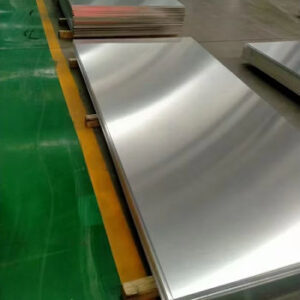
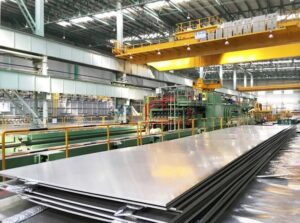
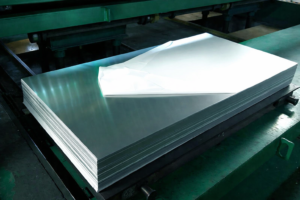
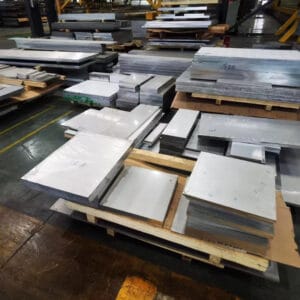
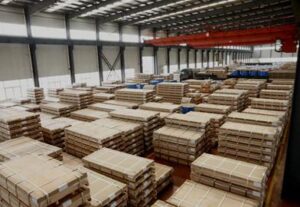
Aluminum sheet price is not determined by one number. For B2B buyers, the final cost depends on the aluminum market price, alloy grade, sheet thickness, temper, surface finish, order quantity, cutting requirement, packaging, freight, tariffs, and delivery terms.
If you are comparing aluminum sheet prices 4×8 or looking for aluminum sheet for sale, the lowest price per sheet may not be the best purchasing decision. A reliable quote should tell you exactly what alloy, temper, thickness, tolerance, surface, certificate, packaging, and shipping terms are included.
At ZGGDMetal, our aluminum sheet and plate product line covers 1000, 2000, 3000, 5000, 6000, 7000, and 8000 series alloys, with custom cutting and packaging options for different purchasing needs. You can also browse our main aluminium sheet and plate product page for available grades and specifications.
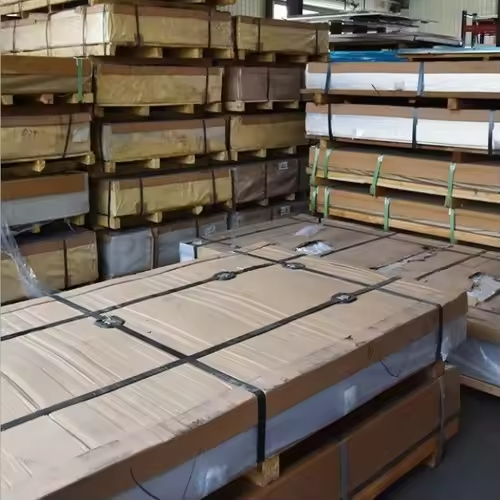
Quick Answer: What Affects Aluminum Sheet Price?
The main aluminum sheet price factors include raw aluminum cost, alloy composition, processing, thickness, surface finish, packaging, freight, and duty.
| Price Factor | How It Affects Cost |
|---|---|
| LME aluminum price | Acts as a global raw aluminum reference |
| Regional premium | Reflects local supply, demand, warehouse, and logistics conditions |
| Alloy grade | 1050, 3003, 5052, 6061, and 7075 have different alloying and production costs |
| Thickness and size | Heavier sheets cost more because aluminum is usually priced by weight |
| Temper | H14, H32, H34, T6, and T651 require different processing routes |
| Surface finish | Mill finish is usually lower cost; anodized, coated, brushed, or embossed sheets cost more |
| Cutting tolerance | Custom blanks and tight tolerance add processing cost |
| Quantity and MOQ | Larger orders usually reduce unit handling and production cost |
| Packaging | Export pallets, waterproof paper, film, and edge protection add cost |
| Freight and duties | Destination, Incoterms, tariff, and customs clearance affect landed cost |
Aluminum Sheet Price Formula
A practical B2B pricing formula is:
Final aluminum sheet price = aluminum base price + regional premium + alloy premium + rolling/processing cost + surface treatment + cutting + packaging + freight + duty/tax + supplier margin
The London Metal Exchange, commonly known as LME, is widely used as a reference for aluminum market pricing. However, LME aluminum is only the raw metal benchmark. It is not the final aluminum sheet price.
A finished aluminum sheet must still go through rolling, heat treatment, leveling, surface treatment, cutting, inspection, packaging, and transportation. That is why two suppliers can quote different prices even when both say they offer “4×8 aluminum sheet.”
Reference: LME Aluminium
Aluminum Sheet Price Composition Chart
For industrial buyers, it is better to understand the cost structure instead of only asking “how much per sheet?”
| Cost Component | Typical Impact | Buyer Note |
|---|---|---|
| Raw aluminum base | High | Usually linked to LME or market reference |
| Regional premium | Medium | Changes by market, location, and availability |
| Alloy premium | Medium to high | Magnesium, manganese, silicon, copper, or zinc content affects cost |
| Rolling and heat treatment | Medium | Plate, sheet, T6, T651, and tight tolerance may cost more |
| Surface finish | Low to high | Mill finish is cheaper than anodized, painted, brushed, or embossed |
| Cutting and fabrication | Low to medium | Custom size, film protection, and precision cutting add cost |
| Packaging | Low to medium | Export wooden pallets reduce damage risk |
| Freight | Medium to high | Depends on destination, weight, route, and Incoterms |
| Tariffs and customs | Variable | Import duty can strongly affect landed cost |
This is why a complete quotation should always include alloy, temper, thickness, size, quantity, surface, certificate, packaging, delivery terms, and destination.
How to Calculate 4×8 Aluminum Sheet Weight
For aluminum sheet prices 4×8, weight is one of the most important factors.
Use this formula:
Weight kg = Length m x Width m x Thickness mm x 2.70
Example: 4×8 ft aluminum sheet, 1/8 inch thick
- 4 ft = 1.219 m
- 8 ft = 2.438 m
- 1/8 inch = 3.175 mm
1.219 x 2.438 x 3.175 x 2.70 = about 25.5 kg per sheet
Approximate weight table:
| Thickness | Approx. Weight Per 4×8 Sheet | Typical Application |
|---|---|---|
| 0.040 in | 18 lb / 8 kg | Signs, covers, light panels |
| 0.063 in | 29 lb / 13 kg | Trailers, panels, general fabrication |
| 0.080 in | 37 lb / 17 kg | Guards, enclosures, vehicle parts |
| 0.125 in | 58 lb / 26 kg | Floors, structural panels, machine parts |
| 0.250 in | 115 lb / 52 kg | Heavy plate, tooling, load-bearing parts |
A 1/4 inch 4×8 sheet may cost around twice as much as a 1/8 inch sheet of the same alloy because it contains about twice the aluminum weight.
Why Alloy Grade Changes Aluminum Sheet Cost
Different alloys have different chemical compositions, mechanical properties, corrosion resistance, and production difficulty.
| Alloy | Cost Level | Common Use | Buying Note |
|---|---|---|---|
| 1050 / 1060 | Lower | Electrical, signs, forming | Good formability, lower strength |
| 3003 | Low to medium | HVAC, roofing, general sheet metal | Economical and easy to form |
| 5052 | Medium | Marine, tanks, trailers, pressure vessels | Better corrosion resistance and strength |
| 5083 / 5086 | Medium to high | Marine plate, shipbuilding, transport | Stronger marine performance |
| 6061 | Medium to high | Structural parts, machining, tooling | Heat-treatable and versatile |
| 7075 | High | Aerospace, high-strength parts | High strength, higher cost |
For general fabrication, 3003 aluminum sheet may be a cost-effective option. For marine, trailer, tank, or pressure vessel applications, 5052 aluminum sheet is often a better choice. For structural or machined parts, 6061 aluminum sheet may provide a stronger balance of strength and machinability.
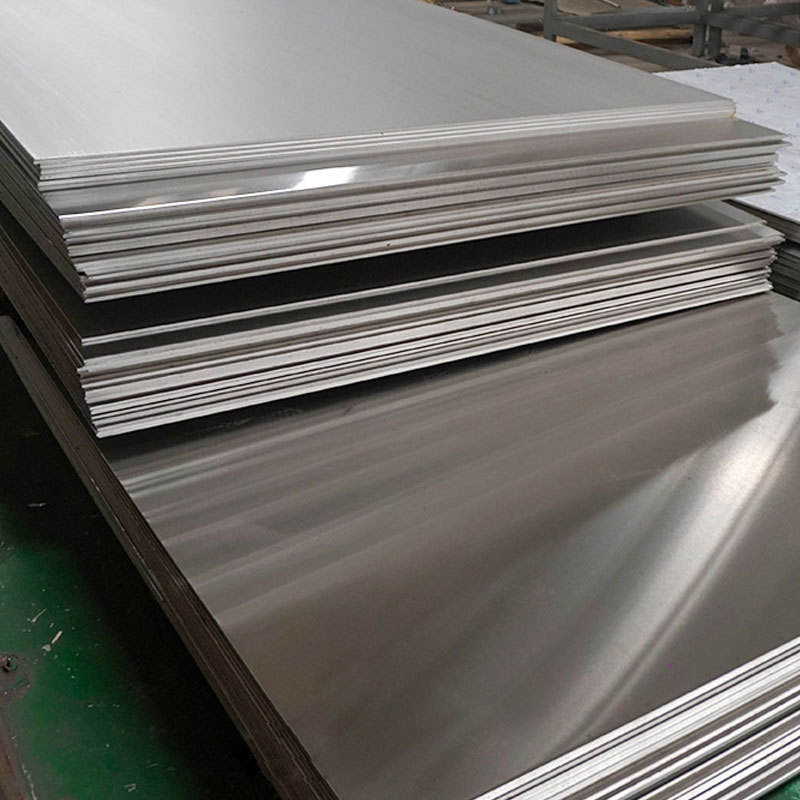
Temper: Why H14, H32, H34, and T6 Matter
Temper describes the mechanical condition of aluminum after processing. It affects hardness, strength, formability, and price.
For example:
- 3003-H14 is common for general sheet metal fabrication.
- 5052-H32 is widely used where corrosion resistance and moderate strength are required.
- 5052-H34 is harder than H32 and may be selected for higher strength.
- 6061-T6 is heat-treated and used for structural or machined components.
- 6061-T651 plate may cost more because it is stress relieved for better dimensional stability.
A lower price is not useful if the temper does not match your process. If the sheet will be bent, formed, welded, or machined, confirm the correct temper before ordering.
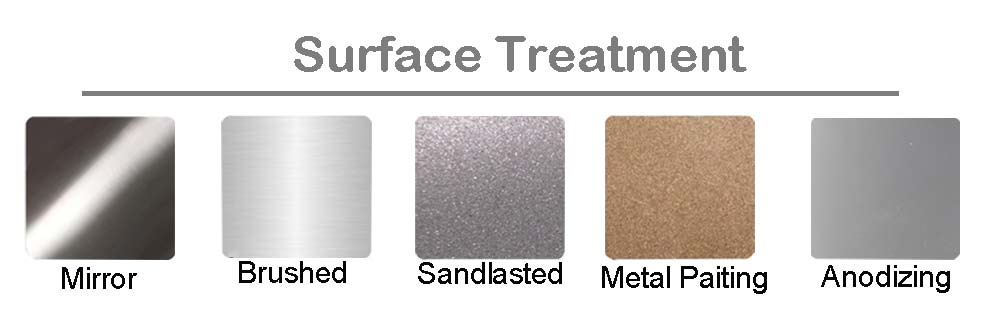
Surface Finish and Coating
Mill finish aluminum sheet is usually the most economical choice. Surface-treated aluminum costs more because it requires additional processing.
| Surface Finish | Cost Impact | Best For |
|---|---|---|
| Mill finish | Lower | General fabrication |
| Brushed finish | Medium | Decorative panels |
| Anodized finish | Medium to high | Corrosion resistance and appearance |
| Painted / coated sheet | Medium to high | Roofing, cladding, signage |
| Embossed sheet | Medium | Flooring and anti-slip surfaces |
| Mirror polished sheet | High | Decorative and reflective applications |
If appearance is not important, mill finish may be enough. If the sheet is used outdoors, near saltwater, or as a visible panel, surface treatment may reduce long-term maintenance cost.
Why Aluminum Sheet Prices Change: LME, Energy, Tariffs, and Supply Chain
Aluminum prices move because the aluminum supply chain is global and energy-intensive.
Key market drivers include:
| Market Driver | Price Impact |
|---|---|
| LME aluminum | Affects raw metal reference price |
| Alumina price | Changes the cost of primary aluminum production |
| Electricity cost | Important because aluminum smelting consumes significant power |
| Rolling mill capacity | Tight production schedules may increase lead time and premium |
| Freight rates | Ocean freight and inland delivery affect landed cost |
| Tariffs | Import duties may change the final delivered price |
| Exchange rates | USD-based export prices can fluctuate |
| Inventory level | Low stock may increase spot premiums |
The International Aluminium Institute tracks primary aluminum smelting energy intensity, which shows why electricity and energy policy are important to aluminum production cost. For import buyers, tariffs and customs rules may also affect landed cost, especially when purchasing under FOB, CIF, or DDP terms.
References: International Aluminium Institute, AP tariff report
Why Two Aluminum Sheet Suppliers Quote Different Prices
Two suppliers may quote different prices because the specification is not exactly the same.
Check these items before comparing:
| Quote Item | What to Confirm |
|---|---|
| Alloy | 3003, 5052, 6061, 7075, etc. |
| Temper | H14, H32, H34, T6, T651 |
| Thickness | Actual thickness and tolerance |
| Size | Standard 4×8, 4×10, or custom cut |
| Surface | Mill finish, anodized, painted, brushed |
| Standard | ASTM B209, EN 485, or customer requirement |
| Certificate | Mill test certificate or inspection document |
| Packaging | Domestic package or export wooden pallet |
| Incoterms | EXW, FOB, CIF, DDP |
| Lead time | Stock, production, or urgent delivery |
A low quote without certificate, packaging, or clear Incoterms is not a complete industrial quote.
How to Reduce Aluminum Sheet Cost Without Reducing Quality
Here are practical ways to control aluminum sheet cost:
| Method | Why It Works |
|---|---|
| Use standard sizes | 4×8, 4×10, or standard coil-cut sizes reduce waste |
| Choose the right alloy | Avoid over-specifying 6061 or 7075 when 3003 or 5052 is enough |
| Confirm forming needs | Wrong temper may crack during bending |
| Increase order quantity | Larger orders reduce handling and production cost |
| Avoid unnecessary finishes | Mill finish is usually cheaper than anodized or painted |
| Plan packaging early | Proper export packaging prevents scratches and replacement cost |
| Compare landed cost | FOB price may look low but CIF or DDP may reveal the real total cost |
| Ask for alternatives | A supplier may recommend a more cost-effective alloy or temper |
The best aluminum sheet price is not always the lowest number. It is the lowest total cost for the required performance.
Buying Checklist Before Requesting a Quote
To get an accurate aluminum sheet price, send the supplier these details:
| Requirement | Example |
|---|---|
| Alloy | 5052 |
| Temper | H32 |
| Thickness | 3 mm or 1/8 inch |
| Size | 4×8 ft, 4×10 ft, or custom cut |
| Quantity | 500 sheets, 5 tons, or 1 container |
| Surface | Mill finish, anodized, coated, embossed |
| Standard | ASTM B209, EN 485, or project specification |
| Application | Marine panel, trailer floor, sign board, roof panel |
| Certificate | Mill test certificate required or not |
| Packaging | Export pallet, film protection, waterproof paper |
| Destination | Country, port, or warehouse address |
| Incoterms | EXW, FOB, CIF, DDP |
If you are not sure which alloy or temper is suitable, ZGGDMetal can help compare options based on your application and processing method.
Common Buying Mistakes
Many aluminum sheet buyers make these mistakes:
| Mistake | Possible Result |
|---|---|
| Comparing price per sheet without checking thickness | The cheaper sheet may be thinner |
| Ignoring temper | Sheet may crack during bending or lack strength |
| Choosing alloy only by price | Material may fail in corrosion or load-bearing use |
| Forgetting freight and duty | Landed cost becomes much higher than expected |
| Not asking for certificate | Material traceability may be insufficient |
| Using poor packaging | Scratches, dents, and corner damage during transport |
For B2B purchasing, a professional quote should help you avoid these risks before production begins.
FAQ
How much does a 4×8 aluminum sheet cost?
The cost depends on alloy, thickness, temper, surface finish, quantity, freight, and duties. A thin 3003 sheet costs much less than a thick 6061 or 7075 plate. Always compare by specification and weight.
Why do aluminum sheet prices change?
Aluminum sheet prices change because LME aluminum, energy cost, alumina price, freight, exchange rates, tariffs, and inventory levels can all change.
Is 5052 aluminum sheet more expensive than 3003?
Usually yes. 5052 aluminum sheet has better corrosion resistance and higher strength, so it is often used for marine, trailer, tank, and industrial applications.
Is 6061 aluminum sheet expensive?
6061 is usually more expensive than common non-heat-treatable sheet grades because it is heat-treatable and often used for structural or machined parts.
What is the cheapest aluminum sheet?
1000 series aluminum such as 1050 or 1060 is often economical, but it may not provide enough strength for every application. 3003 is also a cost-effective option for many general sheet metal uses.
Should I buy aluminum sheet by piece or by weight?
Industrial buyers usually compare by weight because thickness and alloy affect sheet weight. Retail buyers often see per-sheet pricing, especially for 4×8 aluminum sheets.
What information should I send for an accurate quote?
Send alloy, temper, thickness, size, quantity, surface finish, application, certificate requirement, destination, and Incoterms.
Need an Aluminum Sheet Price?
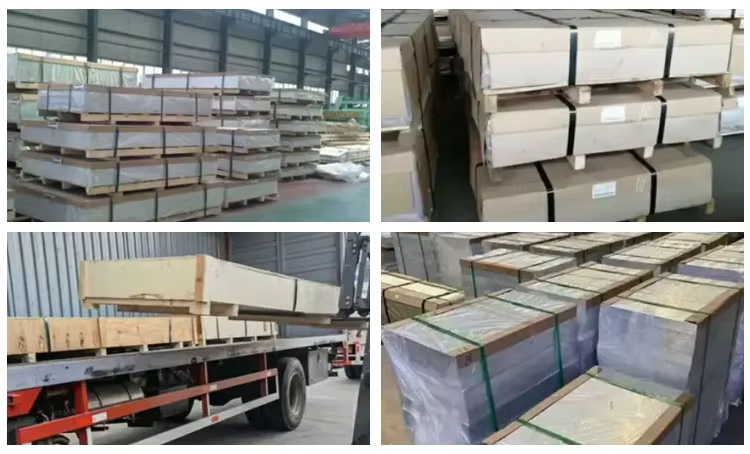
To get an accurate aluminum sheet quote, send us your alloy, temper, thickness, size, quantity, surface finish, destination port, and application. ZGGDMetal can help compare standard sizes, recommend suitable alloys, and provide custom cutting and export packaging options.
Request a quote here: Contact ZGGDMetal
Browse products here: Aluminium Sheet and Plate