
Supply premium 3000 series aluminum sheets & coils, tubing, and aluminum diamond plates for a wide range of industrial applications. Multiple sizes, tempers, and custom specifications are available to meet different project needs. All products are manufactured in accordance with ASTM B209 standards and supported by ISO 9001 quality control. We also provide value-added processing services, including cutting, slitting, bending, punching, and custom forming, helping global customers source reliable aluminum solutions with consistent quality and fast delivery.
3000 series aluminum alloys are based on the aluminum-manganese system, with manganese usually added at 1.0%–1.5%, while some grades contain more. This composition improves corrosion resistance, surface durability, and mechanical stability without adding excessive weight. As a result, these alloys are often selected for parts exposed to moisture, outdoor environments, or continuous industrial use.
Common grades such as 3003, 3004, and 3105 are non-heat-treatable alloys. Strength is normally increased through cold rolling or strain hardening in tempers like H14 and H24. Typical tensile strength falls between 120 and 200 MPa, higher than many 1000 series alloys, while maintaining better workability than stronger materials. This balance makes them practical for bending, stamping, spinning, and deep drawing processes.
Another key advantage is reliable weldability and stable forming performance during mass production. Manufacturers often choose 3000 series sheet or coil when consistent shaping and lower scrap rates are priorities.
Because of their rust resistance and competitive cost, 3000 series aluminum is widely used for roofing panels, wall cladding, cookware, heat exchanger fins, storage tanks, beverage containers, and EV battery shell components. It remains a practical option for buyers needing durable material with manageable processing costs.
| Alloy | Si (%) | Fe (%) | Cu (%) | Mn (%) | Mg (%) | Zn (%) | Ti (%) | Al (%) |
|---|---|---|---|---|---|---|---|---|
| 3003 | ≤0.60 | ≤0.70 | 0.05–0.20 | 1.0–1.5 | — | ≤0.10 | — | Balance |
| 3004 | ≤0.30 | ≤0.70 | ≤0.25 | 1.0–1.5 | 0.8–1.3 | ≤0.25 | — | Balance |
| 3005 | ≤0.60 | ≤0.70 | ≤0.30 | 1.0–1.5 | 0.20–0.60 | ≤0.25 | ≤0.10 | Balance |
| 3104 | ≤0.60 | ≤0.80 | ≤0.25 | 0.8–1.4 | 0.8–1.3 | ≤0.25 | ≤0.10 | Balance |
| 3105 | ≤0.60 | ≤0.70 | ≤0.30 | 0.30–0.80 | 0.20–0.80 | ≤0.40 | ≤0.10 | Balance |
| 3A21 | ≤0.60 | ≤0.70 | ≤0.20 | 1.0–1.6 | ≤0.05 | ≤0.10 | ≤0.15 | Balance |
| Alloy | Density (g/cm³) | Melting Range (℃) | Thermal Conductivity (W/m·K) | Coefficient of Thermal Expansion (×10^-6/K) | Elastic Modulus (GPa) | Tensile Strength (MPa) | Yield Strength (MPa) | Elongation (%) |
|---|---|---|---|---|---|---|---|---|
| 3003 | 2.73 | 660 | 120 – 160 | 23.1 | 68 | 125 – 180 | 55 – 145 | 2 – 12 |
| 3004 | 2.72 | 640 – 660 | 120 – 160 | 23.6 | 73 | 180 – 230 | 70 – 190 | 1 – 10 |
| 3005 | 2.73 | 630-655 | 160 | 23.9 | 70 | 140-250 | 50-230 | 2-30 |
| 3104 | 2.73 | 635 – 655 | 120 – 160 | 23.8 | 73 | 180 – 235 | 80 – 205 | 1 – 10 |
| 3105 | 2.73 | 635 – 655 | 120 – 160 | 23.8 | 73 | 180 – 230 | 80 – 210 | 1 – 10 |
The 3000-series aluminum alloy strikes an ideal balance among corrosion resistance, formability, lightweight strength, and cost-effectiveness. This has led many manufacturers to select it as one of their most suitable aluminum materials. Not only does it enhance product durability and performance, but it is also easy to process.
3000 series aluminum alloys offer excellent corrosion resistance, formability, and processing flexibility. They are widely manufactured into sheets, coils, tubes, rods, wires, and welding materials for industrial applications.
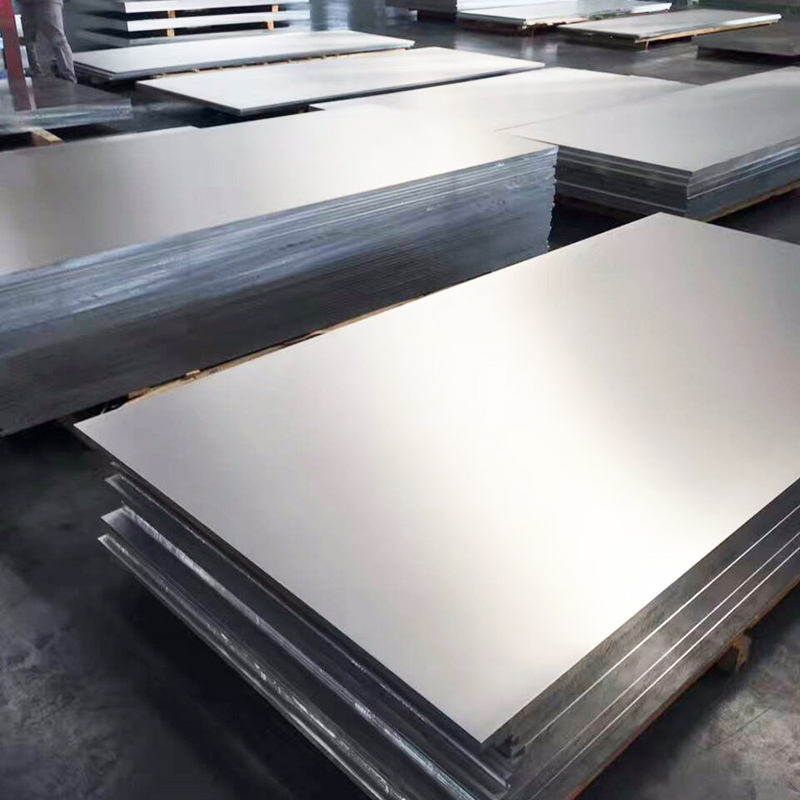
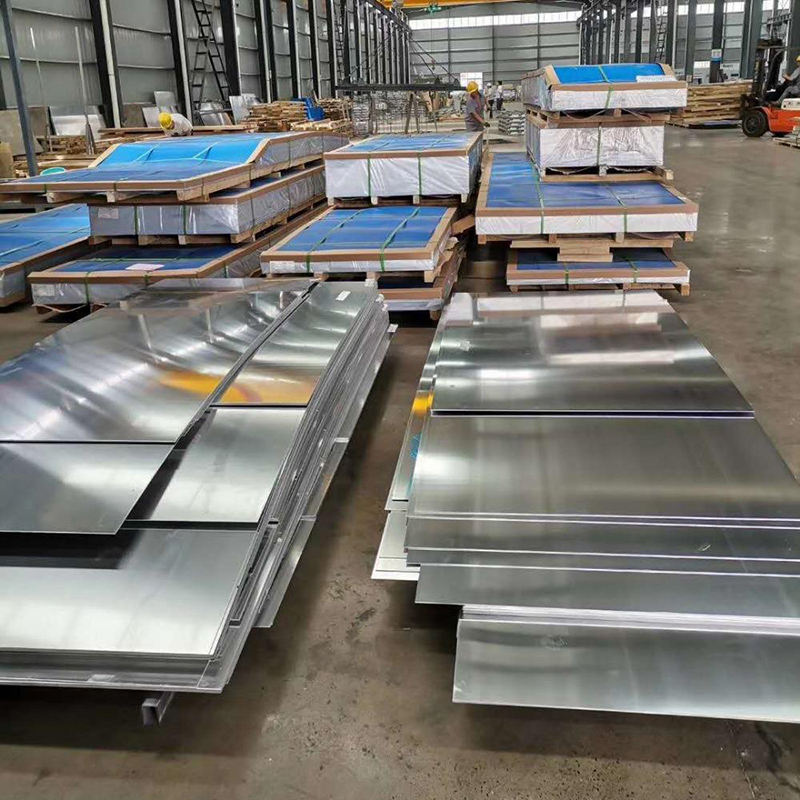
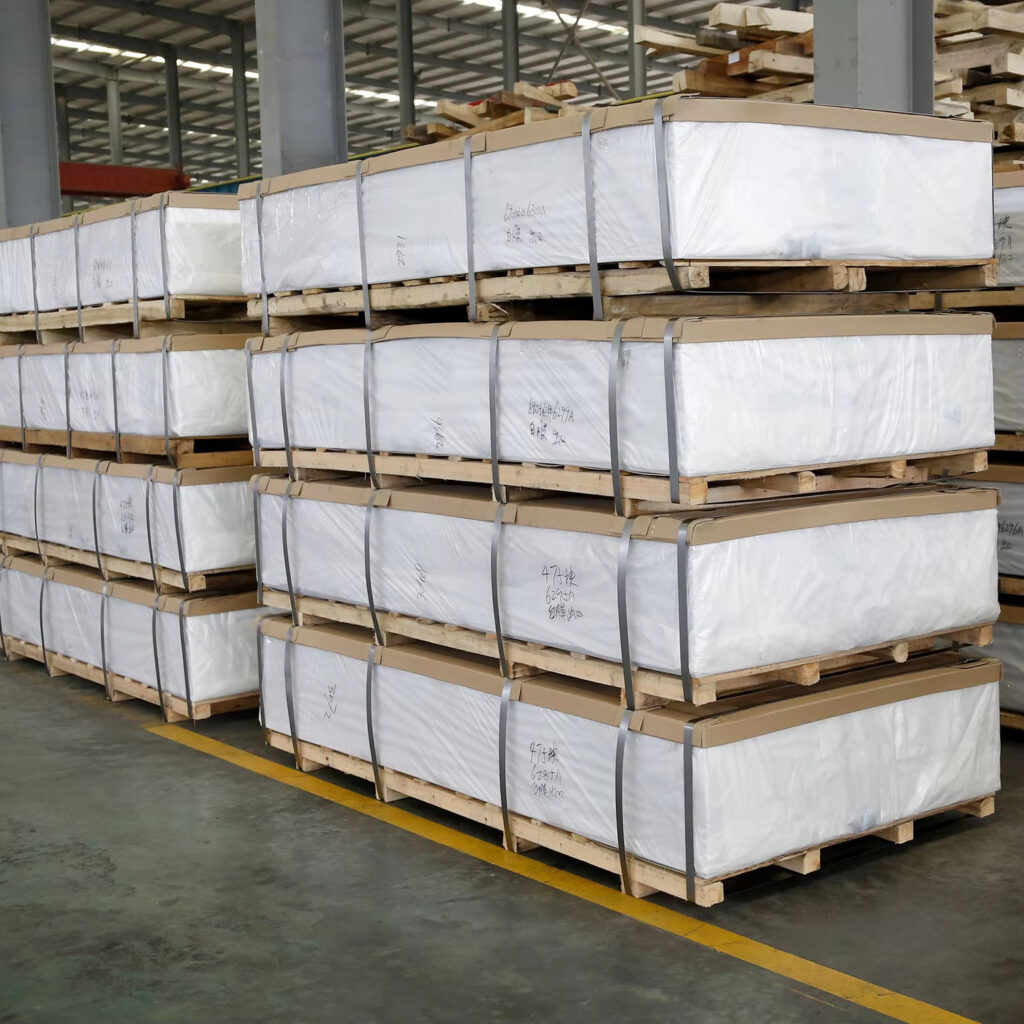
3000 series aluminum sheets offer excellent corrosion resistance, good formability, and lightweight strength. Widely used in roofing, transportation, cookware, insulation, and industrial fabrication.
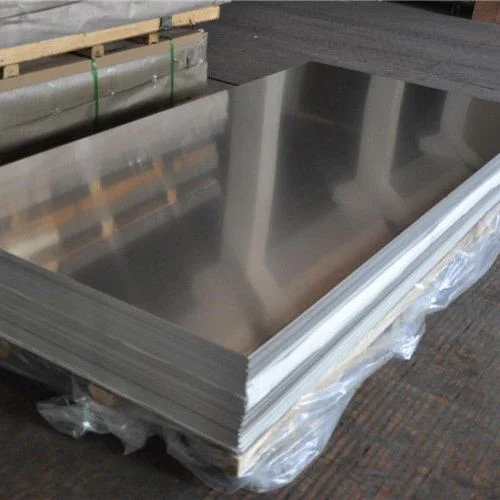
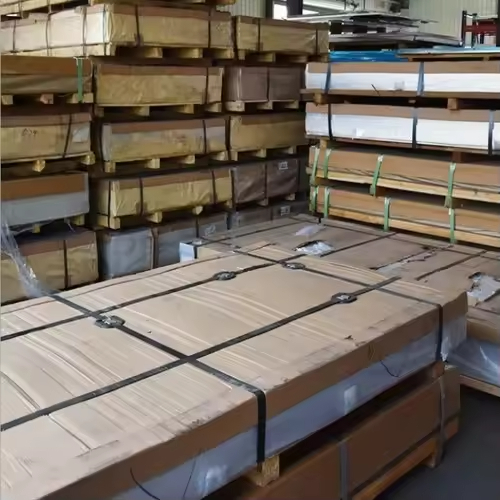
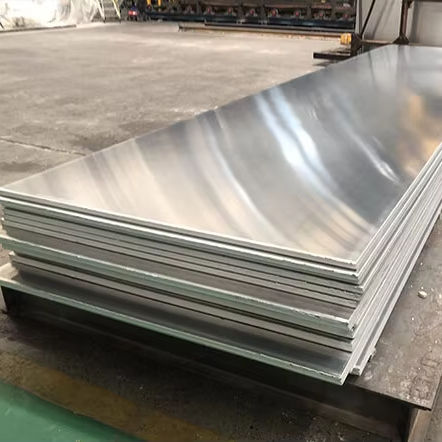
3000 series aluminum tubes provide excellent corrosion resistance, reliable weldability, and easy forming performance. Ideal for HVAC systems, heat exchangers, refrigeration, and industrial piping applications.

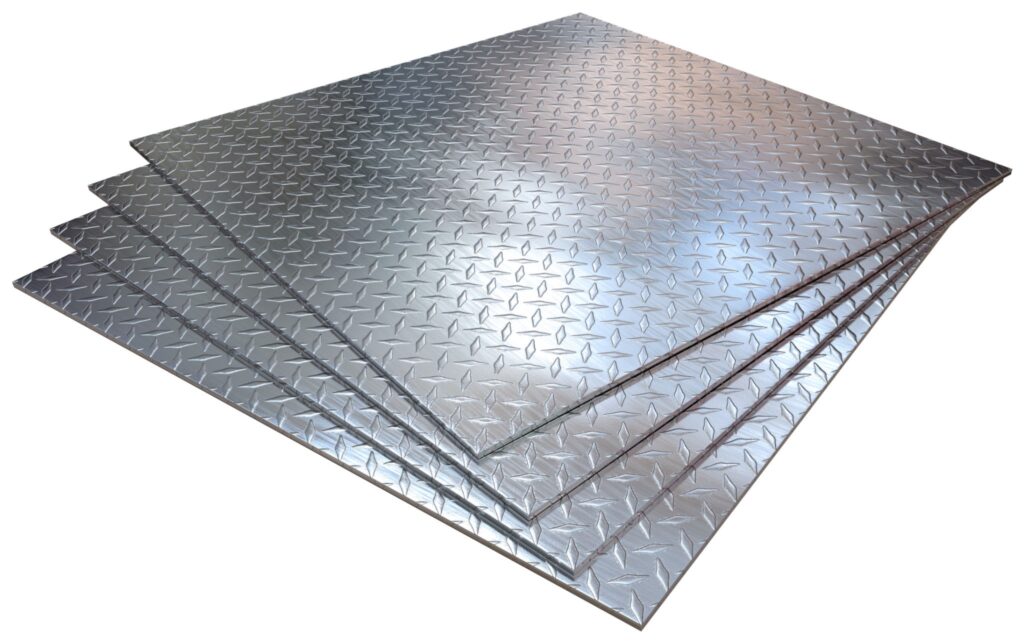
The 3000 series aluminum alloy checkered plates combine corrosion resistance, excellent anti-slip properties, and surface durability. They are suitable for applications such as truck flooring, stair landings, industrial walkways, trailers, ship decks, and decorative flooring.
3000 series aluminum alloys are widely used in industries requiring a balance of corrosion resistance, formability, lightweight properties, and cost-effectiveness. With manganese as the primary alloying element, this series offers higher strength compared to 1000 series alloys while maintaining excellent machinability and weldability.
Food processing manufacturers often choose 3003 and 3A21 aluminum for cookware, kitchen sinks, storage tanks, and spinning parts. These alloys offer stable deep drawing performance, clean surfaces, and reliable corrosion resistance. Available in O/H14 temper with thickness from 0.3-5.0mm, suitable for pressure forming, polishing, and anodizing. Custom circles and cut-to-size sheets can be delivered within 5-7 days for bulk orders.
3003, 3005, and 3105 aluminum sheets are widely supplied for roofing panels, ceiling systems, curtain walls, and exterior cladding projects. Their coating adhesion and outdoor weather resistance make them suitable for color-coated construction materials. We support PE/PVDF coating processing, bending, and CNC cutting. Common export thickness ranges from 0.4-3.0mm with stable long-term inventory.
3000 series aluminum sheets are widely used for trailer roofing, fuel tanks, insulation jackets, marine panels, and lightweight vehicle structures. Good weldability and anti-rust performance help reduce maintenance costs in industrial applications. ASTM and EN standard materials are available with ±0.2mm tolerance. Suitable for OEM fabrication and large-volume manufacturing projects.
3000 series aluminum alloys are commonly processed into electrical cabinets, appliance covers, lamp bases, machine housings, and industrial signage. The material supports stamping, laser cutting, and bending without cracking. H14 and H24 tempers are frequently selected for mechanical fabrication. We provide custom widths and protective film packaging for export production lines.
3003 aluminum is a practical choice for HVAC and heat exchange equipment due to its stable thermal conductivity and corrosion resistance. Common applications include evaporators, cooling fins, ventilation ducts, and refrigeration panels. The material performs well in humid environments and supports continuous forming production. Mill finish and coated surfaces are both available for industrial use.
3004 & 3104 aluminum alloys are widely used for beverage cans, bottle caps, and thin-wall food packaging containers. Compared with standard 3003 alloy, they provide higher strength while maintaining lightweight properties. Suitable for high-speed stamping and can body production. We supply coil stock with stable thickness control and large-volume export capacity for packaging manufacturers.
Professional aluminum manufacturing and export experience trusted by global industrial customers.
Competitive pricing with direct factory supply and stable production capacity.
Laser cutting, rolling, slitting, and surface processing services available.
Fast shipment support with multiple warehouse storage facilities.
Experienced export team serving customers across 50+ countries.
Trusted by industrial buyers, distributors, and fabrication companies worldwide.
Quick answers for global buyers looking for reliable 3000 series aluminum products.
3000 series aluminum is commonly used for roofing sheets, cooking equipment, insulation cladding, storage tanks, and HVAC components. With manganese as the main added material, it provides good resistance to corrosion, is lightweight, and maintains consistent shaping ability for industrial use.
6061 aluminum provides higher mechanical strength and is widely used in structural frames, transportation, and machinery parts. 3003 aluminum is easier to bend and stamp, making it suitable for sheet metal processing. 6061 contains magnesium and silicon, while 3003 is primarily alloyed with manganese.
Yes. 3000 series aluminum is known for strong ductility and smooth bending performance. 3003 aluminum is widely selected for curved panels, duct systems, and deep-drawn components because it forms easily and helps reduce cracking during processing.
Both alloys serve different needs. 3003 aluminum is cost-effective and easier to shape for general fabrication. 5052 aluminum delivers higher tensile strength and improved resistance to saltwater corrosion, making it suitable for marine equipment, pressure tanks, and heavy-duty applications.
3004 aluminum includes additional magnesium, giving it noticeably higher strength than 3003 aluminum. 3003 performs better in applications requiring easier forming and flexibility, while 3004 is commonly used for roofing panels, beverage can bodies, and applications needing improved load strength.
Zggdmetal provides 3000 series aluminum alloys for roofing, insulation systems, cookware, and industrial fabrication. Based in Foshan, China, with warehouses in Shunde, Gaoming, and Lecong, the company maintains stable stock for fast international delivery. Available grades include 3003, 3004, 3005, and 3105 aluminum sheets in multiple specifications. Equipped with rolling lines and laser cutting machines, Zggdmetal exports more than 10,000 tons annually to over 50 countries. FOB, CIF, and EXW terms are supported, along with fast quotation and inventory response services.
Contact our sales team for pricing, stock availability, technical specifications, and customized aluminum solutions.
Export Countries
Tons Exported
Large Warehouses
Technical Support