

In international aluminum procurement, material standards are often more important than price.
Many buyers focus heavily on alloy grades, thickness, or lead time when sourcing aluminum products for the first time. But one of the most overlooked factors is the material standard itself.
Codes such as ASTM B209, ASTM B221, or AMS-QQ-A-250 may look like simple technical references. In reality, they directly determine whether a material is suitable for engineering projects, aerospace manufacturing, automotive components, marine applications, or military equipment.
In global trade, many procurement failures are not caused by poor product quality. They happen because the material standard does not match the project requirement.
For example:
- The customer requires an aerospace-grade aluminum plate, but the supplier provides standard industrial material.
- The engineering drawing specifies ASTM B221 extrusion profiles, but the supplier ships ASTM B209 aluminum sheet.
- Mechanical properties meet the requirement, but certification documents are incomplete.
- The buyer only checks the alloy grade and ignores the corresponding material specification
These situations are extremely common in international aluminum sourcing.
Understanding aluminum standards is not just a technical issue. It is a critical part of procurement decision-making and project risk control.
This article explains several widely used aluminum standards, including:
- ASTM B209
- ASTM B221
- AMS-QQ-A-250
We will also cover their differences, applications, product categories, and key purchasing considerations.
Why Aluminum Material Standards Matter
Many buyers assume:
“As long as it’s 6061 aluminum, the material should be the same.”
In practice, that is not true.
Even when the alloy grade is identical, different standards may require completely different specifications regarding:
- Chemical composition
- Tensile strength
- Yield strength
- Thickness tolerance
- Surface quality
- Heat treatment condition
- Flatness
- Ultrasonic inspection
- Material traceability
- Certification documentation
This is why engineering projects, aerospace applications, and industrial equipment manufacturers always specify exact material standards.
The standard affects much more than basic material performance. It can also impact:
- Project approval
- Export compliance
- Welding performance
- Machining stability
- Service life
- Final procurement cost
If the wrong standard is selected, the cost of rework or project delays can easily exceed the value of the material itself.
What Is ASTM B209?
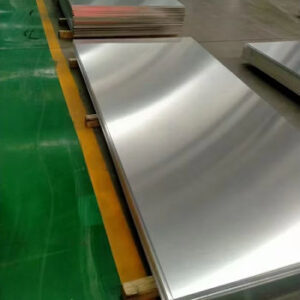
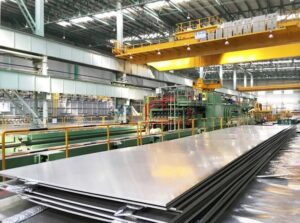
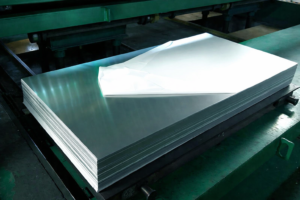
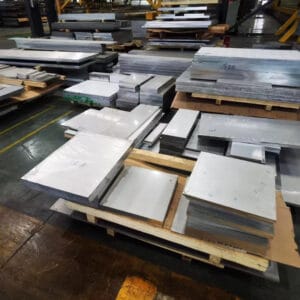
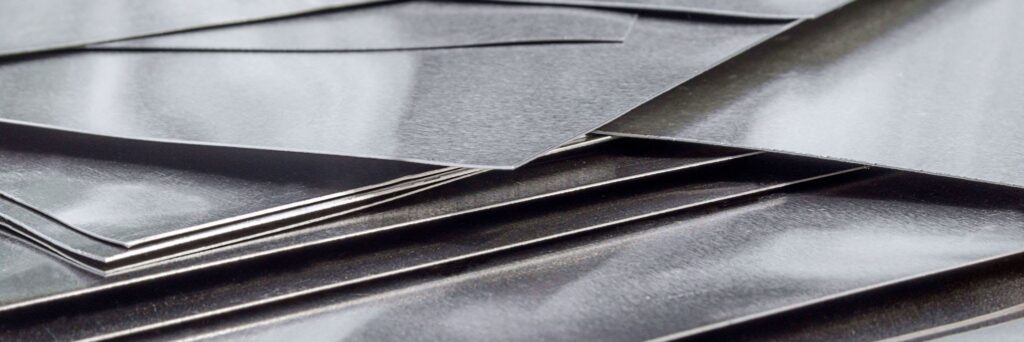
ASTM B209 is one of the most widely used international standards for aluminum sheet and aluminum plate products.
It is developed by ASTM International and primarily applies to:
- Aluminum Sheet
- Aluminum Plate
- Aluminum Coil
In simple terms, most rolled aluminum products in industrial applications are produced according to ASTM B209.
For many overseas projects, ASTM B209 is considered the baseline standard for aluminum sheet procurement.
What Products Are Covered Under ASTM B209?
ASTM B209 commonly applies to products such as
- 1060 aluminum sheet
- 3003 aluminum sheet
- 5052 aluminum plate
- 5083 marine-grade aluminum plate
- 6061 aluminum plate
- 7075 aluminum sheet
These materials are widely used across multiple industries.
Construction and Architectural Systems
Examples include:
- Curtain wall panels
- Aluminum ceiling systems
- Decorative cladding panels
In architectural applications, buyers often pay close attention to:
- Surface finish consistency
- Flatness
- Anodizing quality
This is why ASTM B209 compliance is frequently required.
Marine and Shipbuilding Industry
Marine-grade alloys such as 5083 aluminum plate are heavily used in the following:
- Ship hull structures
- Offshore platforms
- Marine equipment
Shipbuilding customers typically focus on:
- Corrosion resistance
- Structural stability
- Thickness consistency
Because harsh marine environments place significant demands on material quality.
CNC Machining and Precision Manufacturing
For precision machining applications, aluminum plate quality is critical.
Buyers usually evaluate:
- Flatness
- Internal stress control
- Thickness tolerance
- Surface stability
Low-quality plate materials can cause the following:
- CNC deformation
- Machining inaccuracies
- Poor assembly fit
- Surface distortion
Experienced industrial buyers often prioritize processing stability over simply choosing the lowest price.
Key Requirements Included in ASTM B209
Some buyers think ASTM standards are simply reference numbers.
In reality, ASTM B209 contains a large number of technical requirements.
1. Chemical Composition Requirements
The standard strictly defines allowable ranges for elements such as the following:
- Silicon (Si)
- Iron (Fe)
- Copper (Cu)
- Magnesium (Mg)
- Manganese (Mn)
Each alloy has its own controlled composition limits.
Even if the material appears usable, exceeding these limits may cause the product to fail project acceptance or certification review.
Large overseas customers often verify this information through:
- Mill Test Certificates (MTC)
- Chemical analysis reports
- Third-party inspection documents
2. Mechanical Properties
ASTM B209 specifies mechanical performance requirements, including:
- Tensile Strength
- Yield Strength
- Elongation
Requirements also vary depending on temperature condition.
Common tempers include the following:
- O Temper
- H14
- H24
- T6
- T651
Selecting the wrong temp can create major processing problems.
For example:
- 6061-O offers better bending performance.
- 6061-T6 provides higher strength
- 6061-T651 is preferred for precision machining.
Many processing issues are caused not by the alloy itself, but by incorrect temper selection.
3. Thickness Tolerance
Thickness tolerance is one of the most overlooked factors in aluminum procurement.
This is especially true when buyers focus only on price.
Some low-cost materials may have large thickness variations, which can lead to:
- Laser cutting inaccuracies
- Welding instability
- Assembly problems
- Uneven surfaces
Large industrial buyers usually inspect this carefully before approving suppliers.
What Is ASTM B221?
ASTM B221 is another highly important aluminum standard.
However, unlike ASTM B209, it does not apply to aluminum sheet or plate products.
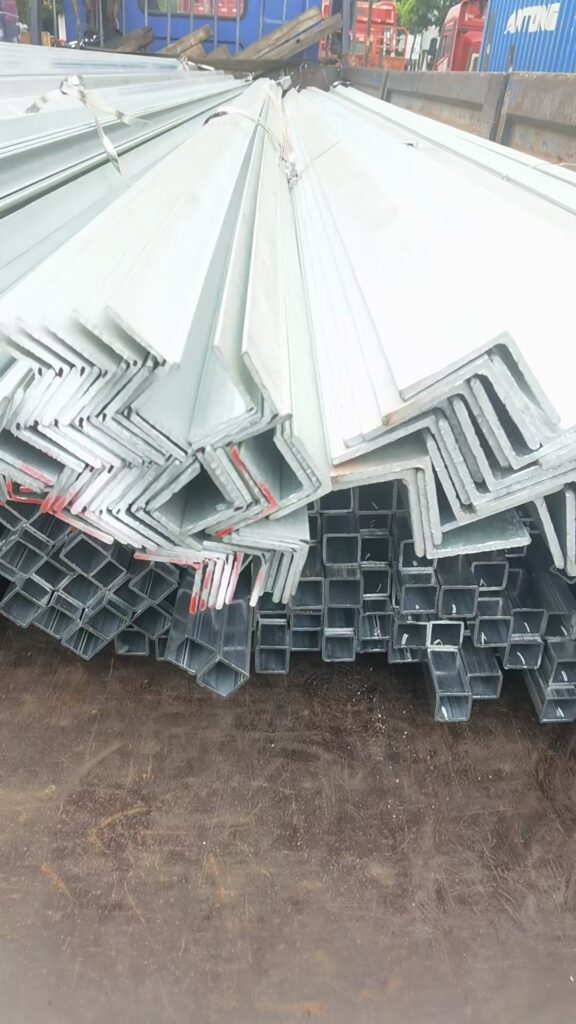
ASTM B221 is specifically designed for:
- Aluminum Extrusions
- Aluminum Extruded Bars
- Aluminum Extruded Rods
- Aluminum Profiles
In other words, it primarily applies to extruded aluminum products.
Common Applications of ASTM B221
ASTM B221 is widely used in industrial structural applications.
Typical examples include the following:
Industrial Automation Equipment
Such as:
- Aluminum framing systems
- Machine structures
- Conveyor systems
Many 6061-T6 aluminum extrusion products are supplied according to ASTM B221.
Solar Energy Industry
Aluminum extrusion profiles are commonly used in:
- Solar mounting systems
- Structural support rails
- PV framework components
Because they provide the following:
- High strength
- Lightweight performance
- Excellent corrosion resistance
Automotive Lightweight Structures
The automotive industry increasingly uses aluminum extrusions to reduce vehicle weight while maintaining structural performance.
This is especially common in:
- EV battery systems
- Chassis structures
- Lightweight body components
ASTM B209 vs. ASTM B221: What Is the Difference?
This is one of the most common areas of confusion in aluminum procurement.
Many new buyers assume the following:
“If both products are 6061 aluminum, the standard should not matter.”
But the manufacturing process and product category are completely different.
| Item | ASTM B209 | ASTM B221 |
|---|---|---|
| Product Type | Aluminum sheet and plate | Aluminum extrusion profiles |
| Manufacturing Process | Rolling | Extrusion |
| Common Products | Plate, Sheet, Coil | Profile, Bar, Tube |
| Main Applications | Plate processing | Structural framing |
| Key Control Focus | Flatness and thickness | Extrusion dimensions and tolerances |
Simply put:
- ASTM B209 focuses on rolled aluminum products.
- ASTM B221 focuses on extruded aluminum products.
If a project drawing requires ASTM B221 extrusion material, supplying ASTM B209 plate material may lead to immediate project rejection, even if the alloy grade is identical.
What Is AMS-QQ-A-250?
Compared with ASTM standards, AMS-QQ-A-250 is typically associated with high-performance industrial and aerospace applications.
The standard originally came from U.S. federal aerospace and military material specifications.
Today, it is still widely referenced in the following:
- Aerospace manufacturing
- Aircraft components
- Military equipment
- Precision engineering
AMS standards usually impose stricter requirements on:
- Material consistency
- Traceability
- Process stability
- Inspection systems
- Certification documentation
This is one reason aerospace-grade aluminum materials are significantly more expensive.
The higher cost is not only related to the material itself but also to the following:
- Quality control systems
- Production procedures
- Batch inspection
- Documentation requirements
- Aerospace certification compliance
Why Aerospace Projects Prefer AMS Standards
In aerospace applications, the biggest concern is not simply material strength.
The real concern is performance variation.
Standard industrial materials may allow wider tolerances.
Aircraft components do not.
Even small variations can affect:
- Fatigue life
- Structural integrity
- Flight safety
- High-temperature performance
This is why aerospace aluminum materials often require more demanding standards and tighter process control.
Aerospace buyers frequently emphasize the following:
- Traceability
- Batch consistency
- MTC documentation
- Third-party inspection reports
Common Mistakes Buyers Make When Purchasing Aluminum Materials
1. Focusing Only on Alloy Grade
This is one of the most common procurement mistakes.
A buyer may simply request the following:
“Need 6061 aluminum.”
But that information is incomplete.
The supplier still needs to confirm:
- Sheet or extrusion?
- ASTM B209 or ASTM B221?
- Required temper?
- Aerospace grade or industrial grade?
- Certification requirements?
- Need MTC documentation?
Without these details, misunderstandings are very likely.
2. Ignoring Temper Condition
Different tempers dramatically change material performance.
For example:
- 6061-O is easier to bend and form
- 6061-T6 offers higher strength
- 6061-T651 provides better machining stability.
Many customers later complain that the material is difficult to process when the real issue is incorrect temper selection.
3. Overlooking Certification Documents
Large industrial projects often require the following:
- Mill Test Certificates (MTC)
- SGS inspection reports
- EN10204 3.1 certification
- COA documents
If these requirements are not confirmed before production, obtaining additional documents later can become difficult and time-consuming.
How to Choose the Right Aluminum Standard
A practical selection method is to first identify the product category and application.
If You Are Purchasing Aluminum Sheet or Plate
ASTM B209 is usually the first standard to confirm.
This is especially common for:
- CNC machining
- Marine plate applications
- Industrial equipment
- Building panels
If You Are Purchasing Aluminum Extrusions
ASTM B221 should be prioritized.
Typical applications include the following:
- Industrial frames
- Automation equipment
- Solar mounting systems
- Structural components
If the project involves aerospace or high-end engineering
Additional requirements may include:
- AMS standards
- Aerospace certification
- Full traceability
- Batch inspection systems
These projects cannot be handled like ordinary industrial material procurement.
What Buyers Need to Know About Aluminum Standards
Is ASTM B209 equivalent to ASTM B221?
No.
ASTM B209 applies primarily to rolled aluminum sheet and plate products.
ASTM B221 applies to extruded aluminum products.
The manufacturing processes and applications are completely different.
What is the difference between ASTM and AMS standards?
ASTM standards are generally used for broad industrial applications.
AMS standards are more commonly associated with aerospace and high-performance engineering materials.
AMS requirements are typically stricter regarding quality control and traceability.
Do aluminum material standards affect pricing?
Yes.
Stricter standards usually require the following:
- More inspection procedures
- Higher production consistency
- Additional certifications
- Tighter process control
As a result, costs increase.
This is especially true for aerospace-grade aluminum materials.
Can Chinese suppliers produce ASTM-compliant aluminum materials?
Yes.
Many large Chinese aluminum manufacturers have extensive export experience in:
- North America
- Europe
- Southeast Asia
- Middle East
The key issue is not the supplier’s country.
It is whether the supplier has:
- Proven ASTM production capability
- Stable quality control systems
- International export experience
- Complete inspection and certification procedures
Conclusion
For many buyers, aluminum material standards initially appear to be nothing more than complicated technical codes.
But once you enter real industrial procurement, you quickly realize that standards affect far more than material naming.
They directly impact:
- Project approval
- Machining performance
- Product reliability
- Engineering safety
- Certification compliance
- Long-term procurement cost
ASTM B209 is primarily used for aluminum sheet and plate products.
ASTM B221 is designed for aluminum extrusion applications.
AMS-QQ-A-250 is typically associated with aerospace and high-performance engineering projects.
If you are sourcing aluminum materials internationally, do not focus only on price.
A professional procurement process should always confirm the following:
- Product type
- Alloy grade
- Temper condition
- Applicable material standard
- Certification requirements
- Inspection documentation
Because in industrial purchasing, buying the wrong material is usually far more expensive than paying slightly more for the correct one.