
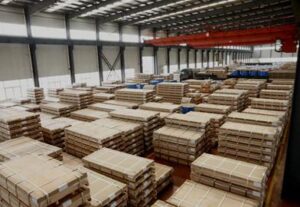
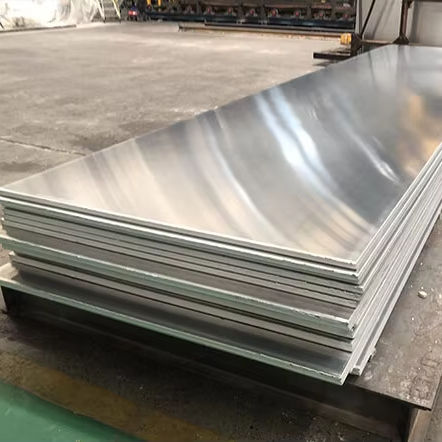
Aluminum alloys are used almost everywhere today. From marine equipment and transportation systems to industrial machinery and building structures, aluminum has become one of the most practical engineering materials in modern manufacturing.
Among all aluminum grades, 5052 and 6061 aluminum are two of the most commonly used options. At first glance, they may seem similar. Both offer excellent corrosion resistance, lightweight performance, and reliable strength. But once you move into real production environments, the differences become very important.
Choosing the wrong alloy can lead to:
- Cracking during bending
- Poor welding performance
- Higher machining costs
- Reduced corrosion resistance
- Unnecessary material expenses
This is why many engineers, fabricators, and purchasing managers often compare 5052 vs 6061 aluminum before placing orders.
In this guide, we’ll break down the real-world differences between these two alloys, including strength, formability, corrosion resistance, machining, applications, and purchasing considerations. We’ll also explain where 5051 aluminum sheet fits into similar industrial applications.
What Is 5052 Aluminum?
5052 aluminum belongs to the 5000 series aluminum family. Magnesium is its primary alloying element, which gives it excellent corrosion resistance and very good forming performance.
One reason 5052 aluminum is widely used is because it handles bending and shaping extremely well without cracking. This makes it popular for sheet metal fabrication.
Compared with structural aluminum alloys, 5052 is softer and easier to work with during forming operations.
Typical features of 5052 aluminum include:
- Excellent marine corrosion resistance
- Good weldability
- Smooth surface finish
- High fatigue strength
- Easy bending and forming
- Non-heat-treatable
Many industries use 5052 aluminum sheet for tanks, marine panels, truck bodies, fuel systems, and electrical enclosures.
If you are sourcing corrosion-resistant sheet material, many buyers also compare it with 5051 aluminum or aluminium 5051 because these grades are commonly used in lightweight industrial fabrication.
For more specifications and supply options, you can check this
5051 aluminum sheet product page:
https://www.zggdmetal.com/product/5051-aluminum-sheet/
What Is 6061 Aluminum?
6061 aluminum is one of the most versatile heat-treatable aluminum alloys available today.
Unlike 5052, 6061 contains both magnesium and silicon. This combination allows the material to achieve higher strength after heat treatment.
6061 aluminum is often called “structural aluminum” because it performs extremely well in load-bearing applications.
Key characteristics include:
- Medium-to-high strength
- Excellent machinability
- Good weldability
- Heat treatable
- Suitable for extrusion
- Strong structural performance
6061 is commonly manufactured into:
- Aluminum tubes
- Structural profiles
- Extruded channels
- Bars and rods
- CNC-machined parts
This alloy is heavily used in transportation, aerospace, automation equipment, machinery frames, and industrial structures.
5052 vs 6061 Aluminum: Main Differences
1. Strength Comparison
When strength is the priority, 6061 aluminum usually wins.
Especially in the T6 temper, 6061 offers significantly higher tensile and yield strength than 5052.
This is one of the biggest reasons why engineers choose 6061 for:
- Structural frames
- Mechanical components
- Load-bearing systems
- Industrial equipment
5052 is not weak. In fact, it has very good fatigue resistance. But it is better suited for forming and corrosion-focused applications rather than heavy structural loads.
Simple rule:
- Need structural strength → choose 6061
- Need forming and corrosion resistance → choose 5052
2. Corrosion Resistance
This is where 5052 performs exceptionally well.
5052 aluminum has outstanding resistance to:
- Saltwater
- Humid environments
- Industrial chemicals
- Marine atmospheres
That’s why it is widely used in:
- Boat hulls
- Fuel tanks
- Marine hardware
- Coastal construction
6061 still offers good corrosion resistance, especially after anodizing, but in harsh marine environments, 5052 usually performs better over time.
If your project involves continuous moisture exposure, 5052 is often the safer choice.
3. Formability and Bending
One major advantage of 5052 aluminum is its excellent formability.
Fabricators prefer 5052 sheet because it can be bent, stamped, and rolled with a lower risk of cracking.
This becomes extremely important for products like:
- Electrical cabinets
- Enclosure panels
- Truck skins
- Appliance parts
- Decorative panels
6061 aluminum is much harder. While this improves strength, it also reduces bending performance.
In real workshops, many manufacturers avoid sharp-angle bending with 6061-T6 because cracking can occur.
So if your production process involves heavy forming, 5052 is usually easier to handle.
4. Machining Performance
6061 is one of the best aluminum alloys for machining.
Its harder structure produces cleaner cuts and better dimensional stability during CNC processing.
That is why 6061 is commonly used for:
- Precision parts
- CNC components
- Machine fittings
- Automotive parts
- Aerospace structures
5052 can still be machined, but it is softer and may produce gummy chips during processing.
For complex machined parts, most factories prefer 6061.
5. Welding Performance
Both alloys offer good weldability, but 5052 is generally considered superior for welding applications.
After welding, 5052 tends to maintain more consistent corrosion resistance and mechanical stability.
6061 can also be welded successfully, but the heat-affected zone may lose some strength unless additional heat treatment is applied afterward.
For marine fabrication and tank production, 5052 is often preferred.
Typical Applications of 5052 Aluminum
5052 aluminum is commonly selected when corrosion resistance and forming capability are more important than extreme strength.
Industries using 5052 include:
Marine Industry
- Boat hulls
- Deck panels
- Fuel tanks
- Marine fittings
Transportation
- Truck bodies
- Trailer skins
- Tanker components
Industrial Equipment
- Storage tanks
- Pressure covers
- Electrical enclosures
Construction
- Roofing panels
- Curtain wall systems
- Decorative sheet metal
Many buyers looking for lightweight fabricated sheet materials also search for:
- 5051 aluminum
- aluminium 5051
- 5051 aluminum sheet
because these grades are often associated with similar forming applications.
Typical Applications of 6061 Aluminum
6061 aluminum is more suitable for engineering and structural applications.
Structural Systems
- Industrial frames
- Scaffolding
- Support structures
Transportation Equipment
- Truck trailers
- Rail systems
- Automotive components
Aerospace Industry
- Aircraft fittings
- Aerospace structures
- Precision components
CNC Machining
- Machine parts
- Automation systems
- Precision tooling
6061 is also one of the most common extrusion alloys used for aluminum profiles.
Which Is More Expensive: 5052 or 6061?
Pricing changes constantly depending on:
- Aluminum ingot cost
- Temper condition
- Thickness
- Processing requirements
- International freight
In many markets, 6061 aluminum is slightly more expensive than 5052 because:
- It is heat treatable
- Machining performance is higher
- Structural demand is strong
However, material cost alone should never determine alloy selection.
A cheaper material that fails during fabrication often becomes far more expensive later.
5052 vs 6061: Which One Should You Choose?
There is no universal “better” alloy.
The correct choice depends entirely on your application.
Choose 5052 Aluminum If:
- You need excellent corrosion resistance
- Your project involves marine environments
- Bending and forming are important
- You need reliable welding performance
- You are manufacturing tanks or sheet metal products
Choose 6061 Aluminum If:
- Structural strength matters most
- CNC machining is required
- You need aluminum extrusions
- The project involves mechanical loading
- Dimensional precision is important
In real industrial purchasing, many companies actually use both alloys together in different sections of the same project.
Common Purchasing Mistakes Buyers Make
Focusing Only on Strength
Some buyers automatically choose the strongest alloy available.
But higher strength does not always mean better manufacturing performance.
For example:
6061 may crack during aggressive bending operations where 5052 performs perfectly.
Ignoring Corrosion Conditions
Marine environments destroy unsuitable materials quickly.
Using 6061 instead of 5052 near saltwater may increase long-term maintenance costs.
Not Considering Processing Methods
Before ordering aluminum sheets or plates, buyers should confirm:
- Will the material be bent?
- Will it be welded?
- Is CNC machining required?
- Will anodizing be used?
- Is weight reduction important?
These factors often determine the best alloy more than raw strength numbers.
Final Thoughts
The comparison between 5052 vs 6061 aluminum is not simply about which alloy is stronger.
It is about selecting the right material for the right manufacturing environment.
5052 aluminum performs exceptionally well in marine, forming, and corrosion-resistant applications.
6061 aluminum excels in structural, machining, and engineering applications.
Understanding these differences helps manufacturers reduce fabrication problems, improve product lifespan, and control overall production costs.
If your project requires lightweight aluminum sheet materials with strong corrosion resistance and forming capability, products such as 5051 aluminum sheet may also be worth evaluating depending on your processing requirements and budget.
Choosing the correct aluminum alloy at the beginning of a project can save significant time, cost, and production risk later.