
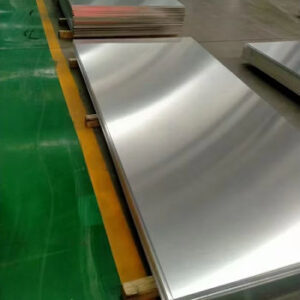
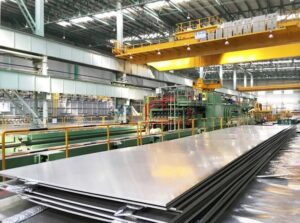
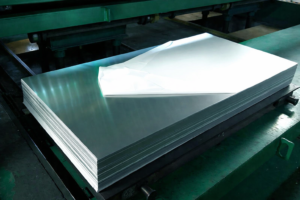
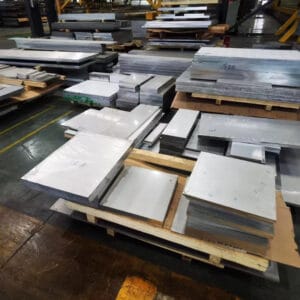
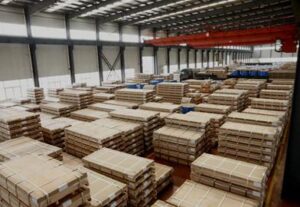
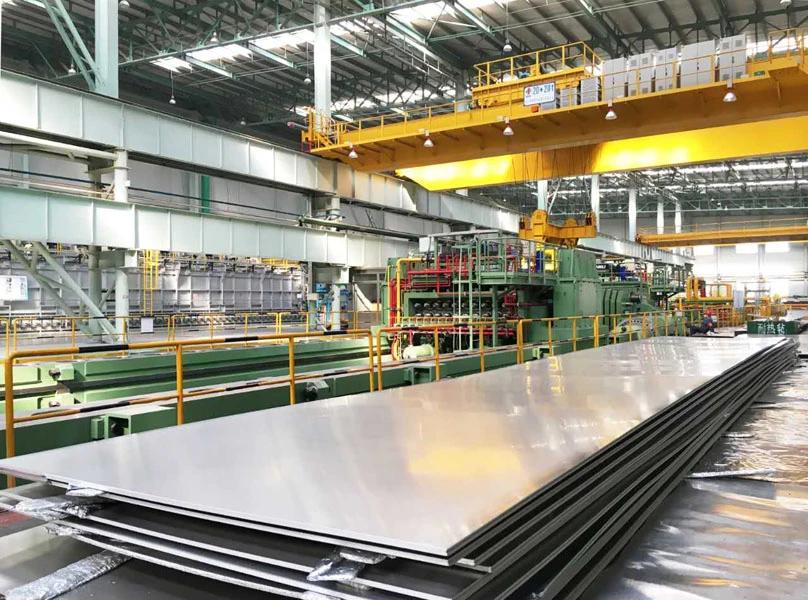
Aluminum sheets are widely used in construction, transportation, marine equipment, machinery, signage, electronics, packaging, and general fabrication. If you are comparing aluminum sheet size or aluminum sheet thickness, you usually need more than a simple size chart. They need to know which dimensions, thickness, alloy, temper, surface finish, tolerance, and packing method will reduce purchasing risk.
This guide explains standard aluminum sheet sizes, aluminum sheet metal thickness, gauge conversion, weight calculation, alloy selection, manufacturing quality control, and RFQ preparation for industrial and commercial buyers. If you already know your alloy, temper, thickness, size, and quantity, you can also visit our aluminum sheet and plate catalog or send your specification for a factory quotation.
Quick Answer
The most common aluminum sheet size is 4 ft x 8 ft, also called 48 x 96 inches or about 1220 x 2440 mm. Common aluminum sheet thickness ranges from 0.2 mm to 6 mm. Thin sheets are used for light panels, signs, and covers, while thicker sheets are used for cabinets, vehicle panels, flooring, marine components, and machine parts. For purchasing, specify thickness directly in millimeters or inches instead of only using sheet metal gauge.
Table of Contents
- What Is an Aluminum Sheet?
- Standard Aluminum Sheet Sizes
- Aluminum Sheet Thickness Chart
- Aluminum Sheet Gauge vs Thickness
- Aluminum Sheet Weight Calculation
- Aluminum Sheet vs Plate vs Coil
- Popular Aluminum Sheet Alloys
- How to Choose the Right Size and Thickness
- Standard Size vs Custom Cut Aluminum Sheet
- Tolerances, Standards, and Certificates
- Production, Inspection, and Export Packing
- Cost-Saving Tips for Aluminum Sheet Buyers
- RFQ Checklist
- FAQ
- Conclusion
What Is an Aluminum Sheet?
An aluminum sheet is a flat-rolled aluminum product that is thicker than aluminum foil but usually thinner than aluminum plate. Exact definitions can vary by market, supplier, and product standard, so buyers should confirm the actual thickness, alloy, temper, tolerance, and applicable standard before placing an order.
| Product Type | Typical Thickness Range | Common Uses |
|---|---|---|
| Aluminum foil | Below 0.2 mm | Packaging, insulation, food wrapping |
| Aluminum sheet | About 0.2 mm to 6 mm | Panels, covers, cabinets, signage, fabrication |
| Aluminum plate | Above 6 mm | Structural parts, molds, machinery, aerospace components |
| Aluminum coil | Supplied in coil form | Slitting, stamping, roofing, continuous production |
For industrial purchasing, the word “sheet” is not enough.A complete specification should include size, aluminum sheet metal thickness, alloy, temper, surface finish, tolerance, quantity, processing method, certificate requirement, and packing method.
Standard Aluminum Sheet Sizes
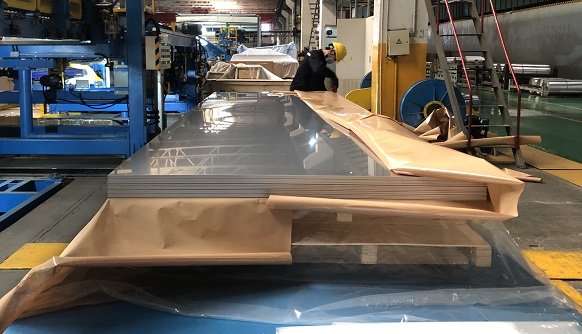
Standard aluminum sheet sizes vary by country, mill capability, warehouse stock, and end-use industry. In global trade, 4 x 8 ft is one of the most requested sizes because it is easy to transport, store, cut, and process. Metric sizes such as 1000 x 2000 mm, 1220 x 2440 mm, 1250 x 2500 mm, and 1500 x 3000 mm are also common.
| Standard Size | Inches | Millimeters | Common Applications |
|---|---|---|---|
| 4 x 8 ft | 48 x 96 in | 1220 x 2440 mm | Panels, signs, fabrication, enclosures |
| 4 x 10 ft | 48 x 120 in | 1220 x 3050 mm | Wall panels, trailer parts, construction |
| 5 x 10 ft | 60 x 120 in | 1524 x 3050 mm | Large panels, transport equipment |
| 1000 x 2000 mm | 39.4 x 78.7 in | 1000 x 2000 mm | General industrial fabrication |
| 1250 x 2500 mm | 49.2 x 98.4 in | 1250 x 2500 mm | Machinery, cabinets, architectural use |
| 1500 x 3000 mm | 59.1 x 118.1 in | 1500 x 3000 mm | Large-format processing and fewer joints |
zggdmetal Manufacturer Tip
If the final part size is close to a metric sheet format, ask the aluminum sheet supplier to compare 1220 x 2440 mm, 1250 x 2500 mm, and custom-cut options. A small size change can reduce scrap, cutting time, and shipping waste.
Aluminum Sheet Thickness Chart
Aluminum sheet thickness affects strength, weight, bendability, cost, cutting speed, welding performance, and final rigidity. For general sheet metal work, 1.0 mm to 3.0 mm is widely used. For flooring, heavy-duty panels, vehicle parts, and marine components, 3.0 mm to 6.0 mm may be selected. Above 6 mm, aluminum plate is usually a better option.
| Thickness in Inches | Thickness in Millimeters | Typical Use |
|---|---|---|
| 0.020 in | 0.5 mm | Light covers, signs, decorative use |
| 0.032 in | 0.8 mm | Panels and light-duty fabrication |
| 0.040 in | 1.0 mm | Enclosures, trim, interior panels |
| 0.063 in | 1.6 mm | General fabrication and machine covers |
| 0.080 in | 2.0 mm | Structural panels, cabinets, vehicle parts |
| 0.100 in | 2.5 mm | Stronger fabricated parts |
| 0.125 in | 3.0 mm | 1/8 aluminum sheet, brackets, flooring |
| 0.190 in | 4.8 mm | Heavy-duty panels and transport parts |
| 0.250 in | 6.35 mm | Thick sheet or light plate applications |
When comparing aluminum sheet thickness, do not choose only by price. A thinner sheet may save material cost but may also increase vibration, deformation, denting, or welding problems. A thicker sheet may improve rigidity but increase weight, freight cost, and processing difficulty.
Aluminum Sheet Gauge vs Thickness
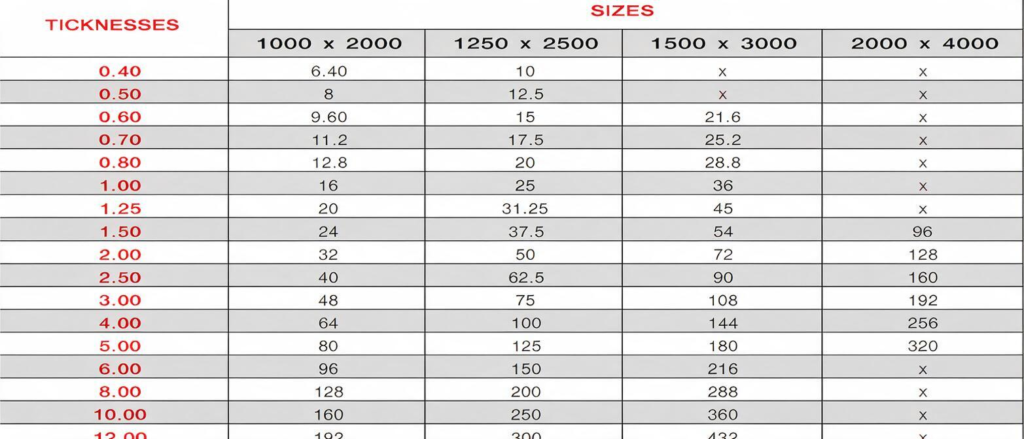
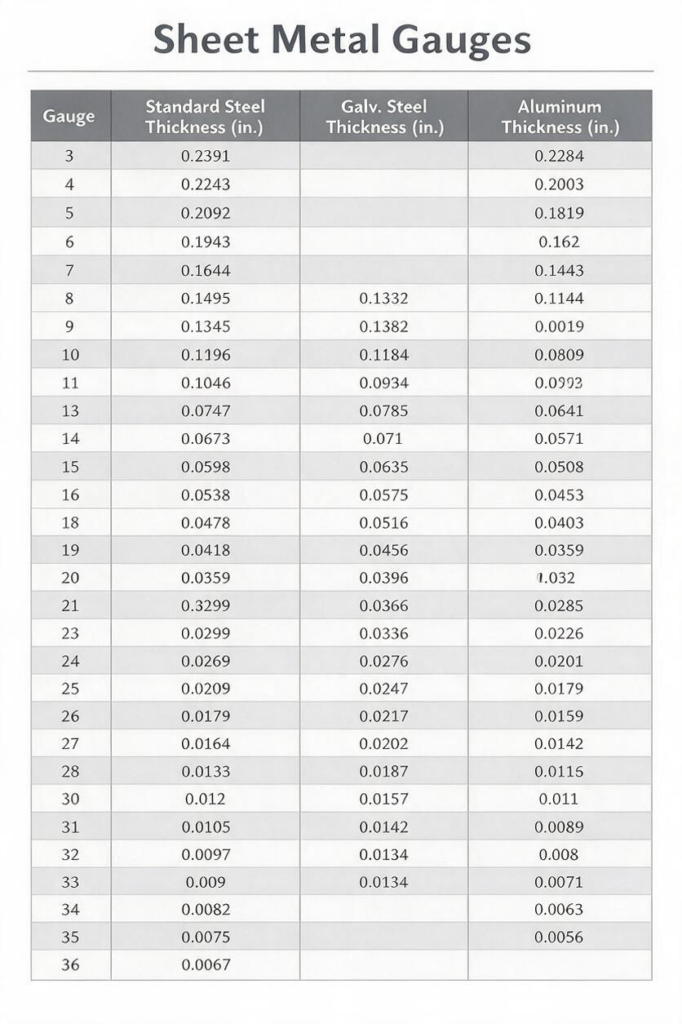
Some buyers describe aluminum sheet metal thickness by gauge. Gauge can be confusing because a higher gauge number usually means a thinner sheet, and gauge systems can differ between aluminum, steel, galvanized steel, and stainless steel. For international RFQs, specify actual thickness directly in millimeters or inches.
| Aluminum Gauge | Approx. Inches | Approx. Millimeters |
|---|---|---|
| 8 gauge | 0.1285 in | 3.26 mm |
| 10 gauge | 0.1019 in | 2.59 mm |
| 11 gauge | 0.0907 in | 2.30 mm |
| 12 gauge | 0.0808 in | 2.05 mm |
| 14 gauge | 0.0641 in | 1.63 mm |
| 16 gauge | 0.0508 in | 1.29 mm |
| 18 gauge | 0.0403 in | 1.02 mm |
| 20 gauge | 0.0320 in | 0.81 mm |
| 22 gauge | 0.0253 in | 0.64 mm |
| 24 gauge | 0.0201 in | 0.51 mm |
Buying Tip
If your drawing says “16 gauge aluminum sheet”, also write “about 1.29 mm” or your required tolerance. This helps avoid quotation errors, especially when a supplier works with both inch and metric systems.
Aluminum Sheet Weight Calculation
Weight is important for freight cost, handling, structure design, and quotation comparison. Aluminum is much lighter than steel, but large-format sheets can still be heavy when thickness increases.
Practical formula:
Weight in kg = length in meters x width in meters x thickness in mm x density
For most aluminum alloys, a practical density estimate is about 2.70 to 2.71 g/cm3.
Example:
A 1220 x 2440 mm aluminum sheet with 1.0 mm thickness weighs about:
1.22 x 2.44 x 1.0 x 2.71 = about 8.1 kg per sheet
| Size | Thickness | Approx. Weight per Sheet |
|---|---|---|
| 1220 x 2440 mm | 1.0 mm | About 8 kg |
| 1220 x 2440 mm | 1.6 mm | About 13 kg |
| 1220 x 2440 mm | 2.0 mm | About 16 kg |
| 1220 x 2440 mm | 3.0 mm | About 24 kg |
| 1220 x 2440 mm | 4.8 mm | About 39 kg |
| 1220 x 2440 mm | 6.35 mm | About 51 kg |
Actual weight may vary depending on alloy density, thickness tolerance, exact sheet size, protective film, and packing method.
Aluminum Sheet vs Plate vs Coil
Buyers often compare sheet, plate, and coil when selecting aluminum flat products. The right choice depends on thickness, processing method, storage, and production workflow.
| Comparison | Aluminum Sheet | Aluminum Plate | Aluminum Coil |
|---|---|---|---|
| Thickness | Usually 0.2 mm to 6 mm | Usually above 6 mm | Thin to medium thickness supplied in coil form |
| Processing | Cutting, bending, punching, coating | Machining, heavy fabrication, structural use | Slitting, stamping, continuous production |
| Best For | Panels, covers, cabinets, signs | Load-bearing parts, molds, machinery | High-volume production |
| Buying Risk | Wrong thickness or temper | High cost and machining allowance | Coil handling and surface protection |
If your project needs repeated small parts, coil may reduce cost. If your project needs large panels or custom-cut pieces, sheet is usually easier to manage. If your project needs high strength or machining allowance, plate may be more suitable.
Popular Aluminum Sheet Alloys
Aluminum sheet size and thickness must be matched with the correct alloy. Different alloys have different strength, corrosion resistance, formability, weldability, machinability, and surface performance.
| Alloy | Main Features | Applications |
|---|---|---|
| 1050 / 1060 | High purity, excellent formability and corrosion resistance | Signs, reflectors, electrical parts |
| 1100 | Soft, easy to form, good corrosion resistance | Food equipment, panels, decorative use |
| 3003 | Good corrosion resistance, stronger than 1000 series | Roofing, cabinets, tanks, general sheet metal |
| 5052 | Excellent corrosion resistance and fatigue strength | Marine parts, vehicle panels, fuel tanks |
| 5083 | High strength and marine corrosion resistance | Shipbuilding, pressure vessels, marine structures |
| 6061 | Good strength, weldability, and machinability | Structural parts, machinery, fixtures |
| 6063 | Good surface finish and corrosion resistance | Architectural panels and decorative applications |
| 7075 | Very high strength | Aerospace and high-stress components |
Expert Alloy Recommendations
| Buyer Requirement | Recommended Alloy | Reason |
|---|---|---|
| Lowest practical cost for general sheet metal | 3003 | Good formability and corrosion resistance at a competitive cost |
| Outdoor, humid, or marine environments | 5052 / 5083 | Better corrosion resistance and fatigue performance |
| Machining, fixtures, or stronger parts | 6061 | Good strength, machinability, and weldability |
| Decorative or architectural surface | 5052 / 6063 | Good surface quality and corrosion resistance |
| High-stress lightweight parts | 7075 | Very high strength, but higher cost and lower formability |
For bending parts, confirm bend radius before selecting hard tempers. For marine or chemical environments, confirm corrosion resistance, welding requirement, and certificate needs before purchase.
Temper, Surface Finish, and Processing Options
Temper describes the heat treatment or work-hardening condition of aluminum. It affects hardness, strength, bending performance, machinability, and cracking risk during forming.
| Temper | General Meaning | Common Use |
|---|---|---|
| O | Annealed, soft | Deep drawing, bending, forming |
| H14 | Strain hardened, half hard | General sheet metal work |
| H24 | Strain hardened and partially annealed | Panels, fabrication, moderate forming |
| H32 | Work hardened and stabilized | Marine and corrosion-resistant applications |
| T6 | Heat treated, higher strength | Structural and machined parts |
Surface finish also affects appearance, corrosion resistance, and fabrication quality.
| Surface Finish | Description | Typical Use |
|---|---|---|
| Mill finish | Natural aluminum surface | General fabrication |
| Brushed finish | Directional surface texture | Decorative panels, appliances |
| Anodized finish | Oxide layer for protection and color | Architecture, electronics, decorative parts |
| Painted finish | Coated surface | Roofing, signage, wall panels |
| Embossed finish | Patterned surface | Flooring and anti-slip panels |
| Protective film | Temporary surface protection | Cutting, bending, shipping protection |
How to Choose the Right Aluminum Sheet Size
Choosing the right aluminum sheet size is not only about length and width. Buyers should consider final part size, cutting method, yield rate, edge condition, bending direction, packing limit, and container loading plan.
| Application | Recommended Size/Thickness | Buying Tip |
|---|---|---|
| Advertising signs and light panels | 0.8 mm to 1.5 mm | Confirm flatness and visible surface protection |
| Cabinets and machine covers | 1.5 mm to 3.0 mm | 2 mm and 3 mm are common choices |
| Vehicle and trailer panels | 2.0 mm to 4.0 mm | 5052 is often selected for corrosion resistance |
| Marine panels and fuel tanks | 2.0 mm to 6.0 mm | Use 5052 or 5083 and confirm welding needs |
| Machined or structural parts | 3.0 mm to 6.35 mm or thicker | 6061-T6 is common, but bending should be checked |
| Roofing and wall panels | 0.8 mm to 2.0 mm | Confirm coating, color, film, and packing method |
Standard Size or Custom Cut Aluminum Sheet?
Standard size sheets are usually faster and more cost-effective. Custom cut aluminum sheet can reduce waste and save fabrication time when the final part size is repeated.
| Option | Advantages | Best For |
|---|---|---|
| Standard sheet | Fast supply, common stock, lower unit cost | General fabrication and flexible cutting |
| Custom cut sheet | Less waste and ready for production | OEM parts and repeated dimensions |
| Large-format sheet | Fewer joints and larger coverage | Panels, construction, transport |
| Small cut pieces | Easier handling and less workshop cutting | Repairs, small projects, precision parts |

For custom cutting, provide length, width, thickness, alloy, temper, tolerance, edge condition, protective film requirement, quantity, and packing requirement.
Tolerances, Standards, and Certificates
For industrial and export orders, quality control is not only about appearance. Before placing an order, you should confirm chemical composition, mechanical properties, thickness tolerance, dimensional tolerance, flatness, surface condition, packing, and documentation before shipment.
Common standards and documents may include:
- ASTM B209 for aluminum and aluminum-alloy sheet and plate
- EN 485 for aluminum and aluminum alloy sheet, strip, and plate
- GB/T 3880 for aluminum and aluminum alloy rolled sheets and strips
- Mill Test Certificate
- Certificate of Origin
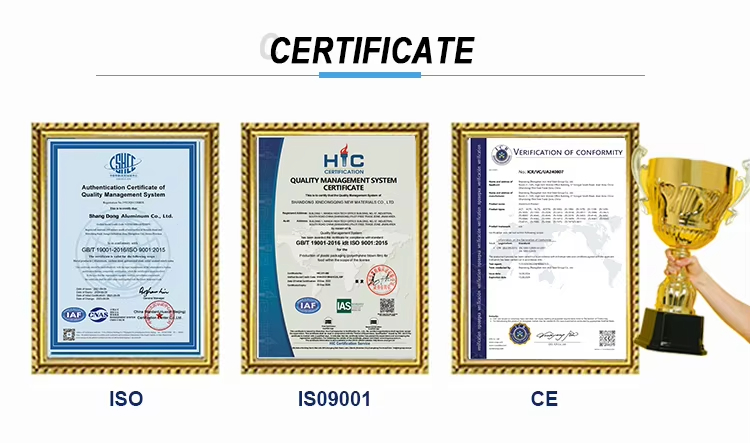
- ISO 9001 quality management documentation
- SGS, TUV, or third-party inspection when required
| Inspection Item | What to Check |
|---|---|
| Raw material inspection | Alloy, temper, batch number, coil/sheet source |
| Chemical composition | Conformity with ASTM B209, EN 485, GB/T 3880, or requested standard |
| Thickness and size | Thickness, width, length, diagonal deviation, and flatness |
| Surface inspection | Scratches, oil marks, stains, dents, oxidation, film condition |
| Mechanical properties | Tensile strength, yield strength, elongation, or hardness when required |
| Packing inspection | Pallet strength, waterproof layer, corner protection, label, shipping marks |
| Documentation | MTC, invoice, packing list, certificate of origin, inspection report |
Production, Inspection, and Export Packing
A reliable aluminum sheet manufacturer should support more than material supply. For repeated OEM or export orders, buyers should confirm production planning, cutting capability, inspection process, packing strength, and document preparation.
Typical workflow:
- Confirm alloy, temper, thickness, size, quantity, surface finish, and tolerance.
- Check stock or production schedule.
- Confirm cutting, film, coating, or processing requirements.
- Inspect thickness, width, length, flatness, surface, and batch.
- Prepare MTC and export documents.
- Pack sheets with waterproof protection, wooden pallets, corner protection, labels, and shipping marks.
- Arrange container loading or LCL shipment.
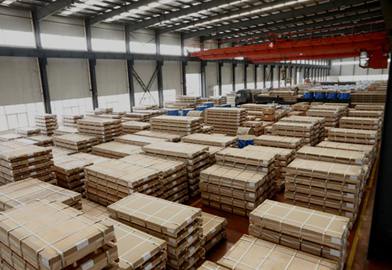
Export packing is especially important for aluminum sheets because large surfaces can be scratched, stained, or bent during handling. For visible panels, brushed sheets, anodized sheets, or painted sheets, protective film and strong pallet packing should be confirmed before production.
How to reduce aluminum sheet costs without compromising quality?
Aluminum sheet price is affected by alloy, thickness, size, temper, finish, quantity, cutting service, tolerance, packing, and raw aluminum market changes. A low unit price is not always the lowest total cost.
Practical ways to reduce cost:
- Use standard aluminum sheet sizes when possible.
- Compare 1220 x 2440 mm, 1250 x 2500 mm, and custom cut sizes to reduce scrap.
- Avoid unnecessary tight tolerance if the application does not require it.
- Combine repeated sizes in one order to improve cutting and packing efficiency.
- Confirm whether protective PVC film is needed before cutting or bending.
- Compare total landed cost, including packing, inland transport, sea freight, and handling.
- Ask for clear labels if ordering mixed alloys, mixed thicknesses, or mixed sizes.
Aluminum Sheet RFQ Checklist
Clear specifications help suppliers provide faster and more accurate quotations.
| Item | What to Confirm |
|---|---|
| Size | 4 x 8 ft, 48 x 96 in, 1220 x 2440 mm, or custom size |
| Thickness | Inches, millimeters, or gauge with actual conversion |
| Alloy | 3003, 5052, 5083, 6061, 7075, etc. |
| Temper | O, H14, H24, H32, T6, etc. |
| Surface | Mill finish, anodized, brushed, painted, embossed, PVC film |
| Quantity | Pieces, sheets, tons, or container quantity |
| Tolerance | Thickness, width, length, flatness, diagonal tolerance |
| Standard | ASTM B209, EN 485, GB/T 3880, or project standard |
| Processing | Cutting, bending, drilling, laser cutting, CNC cutting |
| Packaging | Standard pallet, export wooden pallet, waterproof packaging |
| Documents | MTC, SGS/TUV inspection, certificate of origin, packing list |
| Destination | Destination port or delivery address |
Need standard or custom aluminum sheets? Send alloy, temper, thickness, size, quantity, surface requirement, tolerance, and destination port to get a factory quotation. MTC, export packing, OEM service, and custom cutting are available.
Why Choose Zggdmetal?
Zggdmetal supplies aluminum sheet and plate for industrial, commercial, and export projects. We support standard sheet sizes, custom cutting, material traceability, export packing, and repeated OEM orders.
We serve large-volume project buyers in more than 40 countries and understand the practical needs of export orders, including stable supply, production consistency, and dependable processing support. Whether you need standard sizes or custom-cut aluminum sheets, our team can respond quickly and follow your order closely from quotation to shipment.
To support procurement and project inspection, we can provide product test certificates, support third-party inspection reports, and supply quality documents such as ISO 9001, SGS, and TUV. If your project depends on factory-direct communication, consistent stock planning, and reliable delivery, Zggdmetal is ready to support your business.
- Aluminum sheet options: 1050, 1060, 1100, 3003, 5052, 5083, 6061, 6063, 7075.
- Surface options: mill finish, brushed, anodized, painted, embossed, protective film.
- Processing support: cutting, bending, drilling, CNC cutting, laser cutting, film protection.
- Quality documents: MTC, packing list, certificate of origin, third-party inspection when required.
- Export packing: wooden pallets, waterproof paper, corner protection, labels, shipping marks.
- Verified data to add: ISO 9001, SGS, TUV, RoHS, annual output, stock volume, export countries, production equipment, inspection equipment.
Common Applications of Aluminum Sheet
| Industry | Uses |
|---|---|
| Construction | Roofing, wall panels, ceiling panels, curtain walls |
| Transportation | Trailer panels, vehicle bodies, flooring, covers |
| Marine | Boat panels, decks, fuel tanks, structural components |
| Machinery | Guards, covers, cabinets, brackets |
| Packaging | Containers, closures, foil-related products |
| Electronics | Enclosures, heat dissipation parts |
| Signage | Road signs, advertising panels, nameplates |
| Aerospace | Structural panels, interior components, precision parts |

FAQ About Aluminum Sheet Sizes and Thickness
What is the most common aluminum sheet size?
The most common aluminum sheet size is 4 x 8 ft, equal to 48 x 96 inches or approximately 1220 x 2440 mm. Metric sizes such as 1000 x 2000 mm, 1250 x 2500 mm, and 1500 x 3000 mm are also common.
What is the standard aluminum sheet metal thickness?
Aluminum sheet metal commonly ranges from about 0.2 mm to 6 mm. Thinner material may be considered foil, while thicker material is often classified as plate.
How thick is 1/8 aluminum sheet?
1/8 inch aluminum sheet is approximately 0.125 in or 3.0 mm thick. Actual strength depends on alloy, temper, and application.
What is the difference between aluminum gauge and thickness?
Gauge is a numbering system used to describe sheet metal thickness. A higher gauge number usually means a thinner sheet. Because gauge can vary by material, international buyers should specify actual thickness in millimeters or inches.
Can aluminum sheet be custom cut?
Yes. Aluminum sheet can be custom cut by shearing, laser cutting, CNC cutting, sawing, or other processing methods. Buyers should provide size, thickness, alloy, temper, tolerance, edge condition, quantity, and packing requirements.
Which aluminum sheet alloy is easiest to bend?
Softer tempers such as O, H111, H14, or some H32 conditions are usually easier to bend than hard tempers. Always confirm bend radius, alloy, thickness, and cracking risk before production.
What alloy is best for marine aluminum sheet?
5052 and 5083 are common marine aluminum sheet choices because they offer good corrosion resistance. The best alloy depends on strength, welding, saltwater exposure, thickness, and certificate requirements.
What is ASTM B209?
ASTM B209 is a commonly referenced standard specification for aluminum and aluminum-alloy sheet and plate. Buyers may request ASTM B209, EN 485, GB/T 3880, or another project-specific standard.
Can aluminum sheet be anodized?
Yes. Many aluminum sheets can be anodized, but alloy selection and surface consistency affect the final appearance. Confirm finish expectations before production.
How much does aluminum sheet weigh?
Weight depends on alloy density, thickness, width, and length. A practical estimate is length in meters x width in meters x thickness in millimeters x 2.71. A 1220 x 2440 x 1.0 mm aluminum sheet weighs about 8 kg.
Conclusion
Understanding aluminum sheet sizes is essential for selecting the right material, controlling cost, and ensuring good performance in fabrication. Buyers should compare not only length and width, but also aluminum sheet thickness, gauge conversion, alloy, temper, tolerance, surface finish, processing method, certificate requirements, and export packing.
If you need standard or custom aluminum sheets for industrial applications, view our aluminum sheet and plate products or contact our team for size, alloy, and quotation support.