
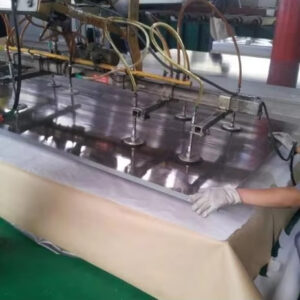
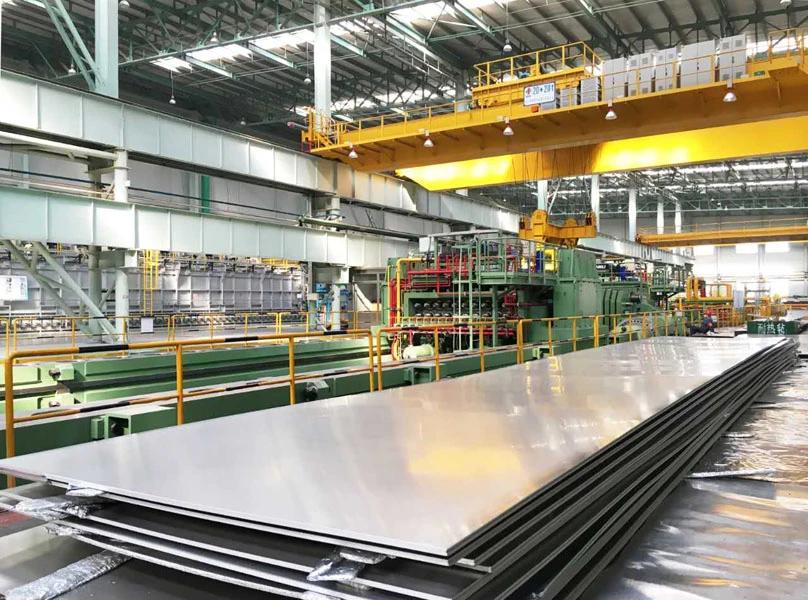
In today’s advanced manufacturing landscape—where efficiency, sustainability, and performance converge—the choice of materials can define the success of an entire product line. Among the many metals used across global industries, aluminum plate has become one of the most versatile and dependable options. From aerospace structures to thermal management systems in electronics, aluminum continues to reshape how engineers design and build with precision.
Below is a closer look at why aluminum plate has gained widespread industry adoption, supported by both engineering principles and real-world application trends.
1. Lightweight Strength: Achieving Structural Efficiency
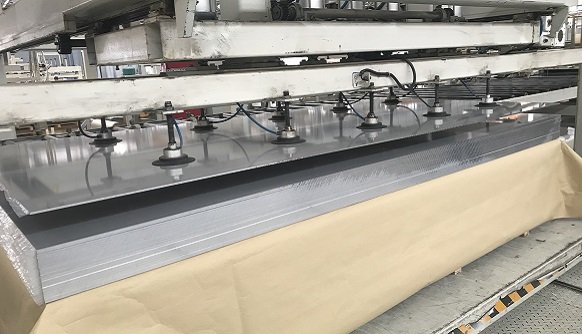
One of aluminum’s most attractive characteristics is its exceptional strength-to-weight ratio. At roughly one-third the density of steel (about 2.7 g/cm³), high-performance aluminum alloys such as 6061-T6 and 7075-T6 deliver mechanical strength comparable to traditional structural metals—while dramatically reducing overall weight.
This balance between low mass and high rigidity is a major reason aluminum is essential in aerospace, EV manufacturing, rail transit, and other sectors where weight reduction directly enhances fuel efficiency and performance. The adoption of advanced aluminum-lithium alloys in aircraft fuselage skins and wing structures, for example, has enabled manufacturers to increase payload capacity while lowering operational costs.
2. Naturally Corrosion-Resistant for Demanding Environments
Aluminum’s natural oxide film provides an inherent barrier against moisture, salt, chemicals, and atmospheric exposure. This passive protection makes aluminum alloys ideal for environments where steel and other metals often fail without coatings.
Alloys such as 5052, 5083, and 6061 are widely used in marine vessels, coastal infrastructure, transportation systems, chemical tanks, and outdoor structural components, where long-term corrosion resistance is a priority. In many coastal regions, anodized aluminum guardrails and structural components have demonstrated significantly reduced maintenance requirements compared to galvanized steel, helping extend service life while lowering upkeep costs.
3. Highly Fabricable for Complex Manufacturing Requirements
Aluminum plate is engineered for excellent fabrication efficiency, making it suitable for both high-volume production and precision machining. It can be:
- TIG or MIG welded
- CNC-machined with tight tolerances
- Formed, bent, or stamped
- Finished through anodizing, powder coating, or polishing
This adaptability allows manufacturers to optimize production workflows while maintaining high accuracy. Aluminum’s ease of machining—especially when compared to stainless steel—reduces tool wear, shortens cycle times, and improves overall cost efficiency.
A clear example is the structural design of certain EV platforms, where automakers rely on aluminum sheet and plate for battery trays and crash-management components due to the metal’s strength, workability, and ability to dissipate heat.
4. Extensive Alloy Options to Match Application Requirements
Because different industries require different performance characteristics, aluminum’s wide alloy spectrum provides engineers with material flexibility. Common examples include:
- 1100 – High purity and excellent ductility; used for chemical equipment and electrical conductors
- 5052 – Marine-grade, highly formable; ideal for fuel tanks, signage, and marine structures
- 6061 – Versatile, weldable, heat-treatable; used in fixtures, frames, and aerospace components
- 7075 – Ultra-high strength; widely applied in aviation, defense, and high-stress components
This broad selection allows manufacturers to fine-tune the balance between strength, corrosion resistance, machinability, and cost.
5. Superior Thermal and Electrical Conductivity
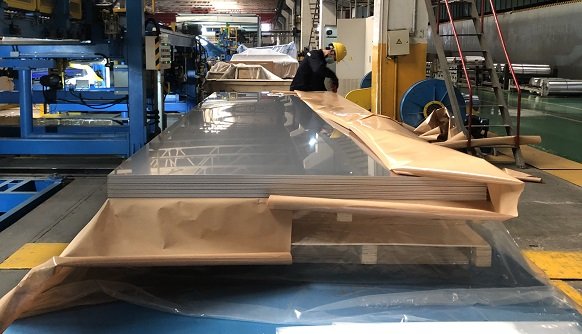
Aluminum’s outstanding thermal conductivity makes it a leading material for heat exchangers, EV battery cooling plates, HVAC components, electronic enclosures, and heat sinks. It dissipates heat efficiently while remaining lightweight, which is especially valuable in fast-growing industries like consumer electronics and electric mobility.
Its electrical conductivity, though slightly lower than copper, is sufficient for many applications and offers significant cost and weight benefits in power distribution systems.
6. A Fully Recyclable Material Supporting a Circular Economy
Aluminum stands out as one of the most sustainable industrial materials available today. It is 100% recyclable without losing mechanical integrity, and recycling aluminum requires only about 5–10% of the energy needed for primary smelting.
This makes aluminum plate an environmentally preferred choice for companies looking to reduce carbon emissions and improve resource efficiency. Remarkably, over 75% of all aluminum ever produced remains in circulation, reinforcing its role in global sustainability efforts.
7. Cost-Effective Over Its Service Life
Though the upfront cost of aluminum can be higher than standard carbon steel, its long-term cost advantages are considerable. Aluminum components often deliver:
- Lower maintenance requirements
- Longer service life even in harsh environments
- No need for anti-corrosion coatings
- High scrap value due to recyclability
For industries focused on total cost of ownership, aluminum plate consistently proves to be a financially strategic choice.
8. Widely Applied Across Modern Manufacturing Sectors
Because of its versatility and performance characteristics, aluminum plate plays a critical role in numerous industries:
- Aerospace – Wing skins, fuselage structures, interior components
- Automotive & EV – Body panels, battery enclosures, crash-management systems
- Architecture – Curtain walls, roofing, decorative panels, structural framing
- Electronics – Thermal plates, housings, brackets
- Packaging – Food-grade containers, pharmaceutical packaging, sterile foil materials
Its ability to combine lightweight strength, excellent corrosion resistance, and efficient heat management makes aluminum a universal material across high-tech and industrial applications.
Conclusion
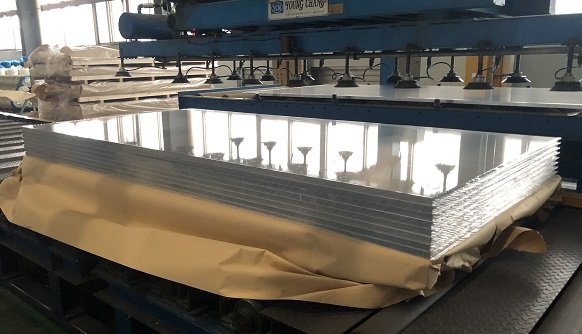
Aluminum plate is more than a construction material—it is a foundational technology enabling modern engineering innovation. Its unique blend of mechanical strength, low weight, corrosion resistance, workability, and sustainability gives manufacturers the freedom to design products that are stronger, cleaner, and more efficient.
Whether you’re developing aerospace components, electric vehicles, commercial equipment, or long-lasting architecture, aluminum plate delivers the performance and reliability required for next-generation manufacturing.