
Aluminum billet uses features and benefits are essential to understand for engineers, purchasers, and designers who select raw material for extrusion, forging, or machining. In this guide you’ll get a clear, practical explanation of what an aluminum billet is, how it’s produced, how it’s processed, its metallurgical advantages, and the most common applications across industries.
What is aluminum billet?
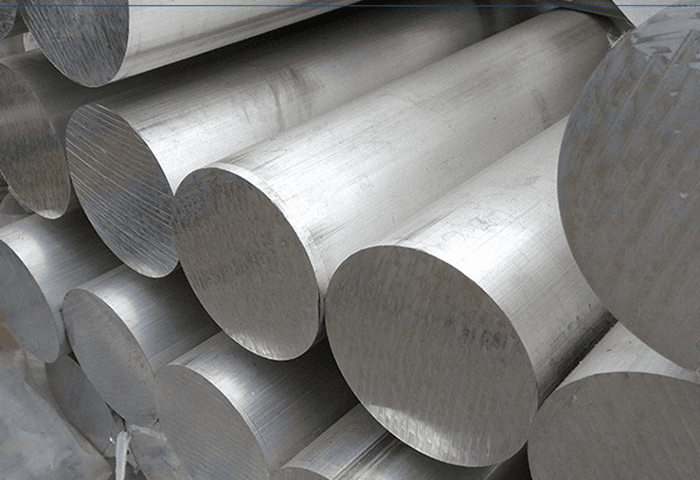
An aluminum billet is a semi-finished cast metal piece—usually cylindrical but sometimes rectangular or square—made for later forming processes such as extrusion, forging, or rolling. Billets are produced in foundry lines and are the starting stock that plants feed into presses or extrusion presses. Typical production steps include alloy selection, melting, casting (often with Direct Cooling/DC methods), homogenization, and controlled cooling. Zggdmetal and other industrial foundries follow these steps to produce billets suited for high-quality extruded profiles and engineered components.
How aluminum billet is manufactured (brief overview)
- Raw material selection: Choose alloys based on target mechanical and physical properties (e.g., 6061, 6063, 7000-series).
- Melting and alloying: Furnaces melt scrap and primary metal; alloying elements are added to achieve the chemistry.
- Casting: Molten aluminum is cast into molds or continuously cast into billets (DC casting is common). This forms the initial shape and grain structure.
- Homogenization: Heat treatment to reduce segregation and to even out alloying elements within the billet.
- Cooling & sizing: Controlled cooling to reach the desired microstructure and then cutting to standard lengths.
How to use an aluminum billet: process steps and best practices
Using billets effectively requires planning at every stage: design, cutting, shaping, finishing, and assembly.
- Design
- Plan the final profile, tolerances, and surface finish before choosing billets.
- Define whether the billet will be extruded, forged, or machined and pick the alloy and temper accordingly.
- Cutting
- Cut to optimum length for the extrusion press or machine to minimize waste and ensure consistent feed.
- Shaping
- Extrusion: Billet is heated and forced through a die to create profiles.
- Forging/pressing: Useful for high-strength components.
- Cold forming: For some alloys, cold presses deliver final tolerances with minimal finishing.
- Drilling & Machining
- Aluminum’s machinability makes drilling, tapping, and CNC machining straightforward—choose appropriate speeds and tooling.
- Assembly & Welding
- Many aluminum alloys weld well and can be assembled into frames, housings, and structural parts.
- Surface Treatment
- Common finishes include anodizing, powder coating, painting, and plating for corrosion resistance and aesthetics.
How does an aluminum billet take shape?
There are three dominant forming routes:
- Casting — Hot forming: pour into molds, cool, and remove. Ideal for near-net shapes.
- Extrusion — Heat the billet and push it through dies using mechanical or hydraulic presses. The billet adopts the die profile and can produce long, continuous profiles.
- Pressing / Forging — Apply large pressures to reshape the billet; used where high structural strength and grain flow are required.
Key features and properties of aluminum billet
Aluminum billets inherit the core material properties of aluminum and the engineered advantages of specific alloys. Here are the most important features:
- Lightweight: Low density provides an excellent strength-to-weight ratio for transportation and structural uses.
- Corrosion resistance: Native oxide film forms automatically and protects aluminum from many environments.
- Thermal and electrical conductivity: Typical conductivity values (illustrative): electrical conductivity around 36 MS/m and thermal conductivity near 205 W/m·K—making aluminum valuable in heat sinks and electrical busbars.
- Recyclability: Aluminum recycles readily with low energy compared to primary production, supporting circular manufacturing.
- Machinability & formability: Many aluminum alloys machine and form easily, reducing tooling wear and cycle times.
- Aesthetic surface finish: Polishing, anodizing, and coating produce visually pleasing and durable surfaces.
Common applications — where aluminum billet is used
Due to the combination of low weight, corrosion resistance, and formability, aluminum billets serve in many industries:
- Transportation: Vehicle structural parts, engine components, marine fittings, airplane interior and some structural components where weight savings are critical.
- Packaging: Beverage cans and food packaging (though can stock often comes from sheet and coil rather than billets).
- Construction: Windows, curtain walls, cladding, railings, and roofing profiles—typically extruded from billets.
- Electrical & Electronics: Heat sinks, conductor bars, housings, and components using aluminum’s conductivity and thermal performance.
- Security & Defense: Lightweight armor components, housings, and structural pieces where strength-to-weight is important.
- Industrial Machinery: Shafts, pistons, housings, and tooling fixtures produced by machining from billets.
Selecting the right billet: alloy and temper considerations
- Alloy choice depends on application: 6000-series (like 6061, 6063) are common for extrusion and good strength-to-formability balance; 7000-series offer higher strength for structural or aerospace parts.
- Temper affects final mechanical properties; common tempers include T4, T5, T6 (solution heat-treated and artificially aged).
- Grain structure and cleanliness matter—homogenized billets deliver more consistent extrusion performance and fewer defects.
Processing tips — minimize defects and optimize yield
- Preheat billets to the recommended extrusion temperature for consistent flow.
- Use homogenized billets for demanding surface and mechanical property requirements.
- Inspect grain and surface quality to reduce die wear and surface defects on extruded profiles.
- Optimize cut lengths and nesting to reduce scrap.
Sustainability and lifecycle benefits
Aluminum’s recyclability reduces carbon footprint and cost in the long term. Using recycled content in billets lowers primary energy use significantly. When designing parts from billets, factor end-of-life recycling and disassembly to maximize circularity.
Troubleshooting common problems
- Surface lines on extrusions: Check billet surface quality and die lubrication.
- Cracking during forming: Re-evaluate alloy/temper compatibility or preheat cycle.
- Inconsistent mechanical properties: Confirm homogenization and confirm alloy chemistry at the source.
FAQ
- Are billets the same as ingots? Not exactly — ingots are larger cast shapes; billets are semi-finished pieces sized specifically for extrusion or forging.
- Can any aluminum alloy be made into a billet? Many can, but not all alloys are practical for extrusion or forging; consult alloy datasheets.
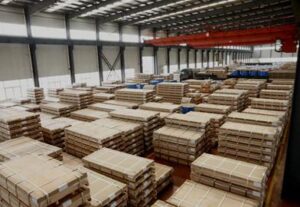
- How are billets stored? In dry, temperature-stable warehouses and away from contaminants that might degrade surfaces.
Conclusion
Understanding aluminum billet uses features and benefits helps manufacturers choose the correct starting stock and process for reliable, efficient production. From lightweight transport components to high-conductivity electrical parts, billets are the backbone of many aluminum manufacturing routes. Use careful alloy selection, proper homogenization, and appropriate forming processes to unlock the full advantages of aluminum billets.