
Introduction
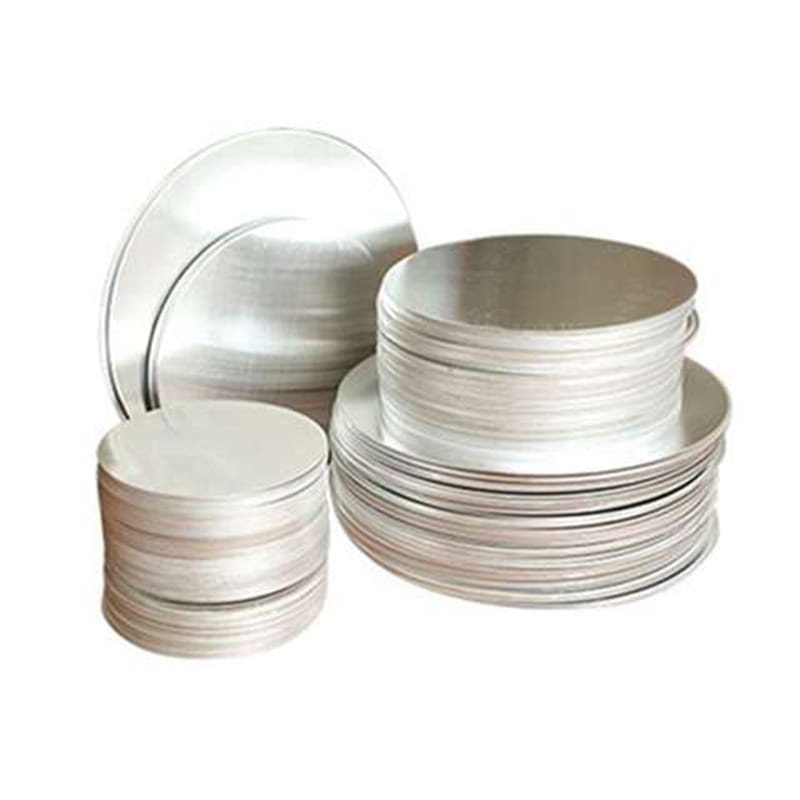
Buy aluminum disk blanks wholesale 2025 is a smart move for manufacturers, artisans, and wholesalers looking to stay competitive in industries ranging from cookware to automotive. These circular blanks are essential raw materials used in stamping, spinning, deep drawing, and machining. Whether you are producing non-stick frying pans, lamp reflectors, traffic signs, or pressure vessels, sourcing aluminum disks in bulk offers cost savings and consistency—but only if done wisely.
The challenge? Not all aluminum disks are created equal. Poor alloy selection, hidden defects, or unreliable suppliers can cost thousands in wasted production time and rejected batches. To help you avoid pitfalls and make confident purchases, we’ve prepared 7 smart tips you can apply immediately when planning your 2025 procurement strategy.
Tip 1: Understand Alloys, Tempers, and Grades
The first step when you plan to buy aluminum disk blanks wholesale 2025 is choosing the correct alloy and temper. Each alloy behaves differently during forming, welding, or corrosion exposure.
- Common alloys:
- 1050/1060/1070/1100: High purity, excellent corrosion resistance, ideal for cookware, reflectors, and chemical containers.
- 3003: Added manganese improves strength, making it popular for roofing and siding applications.
- 5052: Superior corrosion resistance, higher strength, and weldability—suitable for pressure vessels, marine parts, and aerospace components.
- Tempers: O (soft), H12, H14, H16, etc. A 3003-H14 blank, for instance, will have good formability but stronger resistance to deformation than a soft 3003-O blank.
- Grades & compliance: Always request Mill Test Certificates (MTC) and compliance documents. If your products touch food, look for alloys certified as food-grade and compliant with FDA or EU regulations. For aerospace or automotive, ASTM B209 and EN standards matter.
👉 Example: A cookware manufacturer choosing 1100-O disks will benefit from high ductility for deep drawing into pots. However, if they mistakenly buy 5052-H32 blanks, forming cracks may occur due to excessive hardness.
Tip 2: Verify Size, Thickness & Surface Finish
Bulk purchases fail when dimensions or finishes don’t meet production requirements. That’s why you must define precise specifications before ordering.
- Diameter: Aluminum disks are available in sizes from 20 mm to over 1,200 mm. A traffic sign producer may need large disks, while a medical device company may require small precision blanks.
- Thickness: Ranges from 0.3 mm (for lightweight lighting reflectors) up to 10 mm (for industrial or structural components).
- Tolerance: Always clarify acceptable variances (e.g., ±0.05 mm). Tight tolerances ensure repeatability but increase cost.
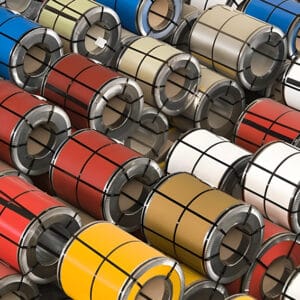
- Surface finish: Options include mill finish, bright surface (mirror-like), anodized, color-coated, or non-stick coatings. Surface quality directly affects final product aesthetics and performance.
👉 Example: A European signage company once faced costly rework when blanks arrived with ±0.5 mm thickness deviation. Tightening tolerance agreements with the supplier saved them thousands in future orders.
Tip 3: Inspect Supplier Credentials & Certifications
Not all suppliers offer the same reliability. When you buy aluminum disk blanks wholesale 2025, you are also buying into the supplier’s reputation and quality system.
- Certifications: Look for ISO 9001 (quality management), ISO 14001 (environmental), and specific industry standards like ASTM or EN.
- Food safety: For cookware, check FDA and LFGB certifications.
- Traceability: Reputable suppliers provide MTCs that track batches back to the smelter.
- Third-party audits: For large purchases, consider SGS or Bureau Veritas inspections.
👉 Example: A North American cookware brand switched from an uncertified supplier to one with ISO 9001 and FDA approval. Although the per-unit price rose by 5%, defective rates dropped from 7% to under 1%, saving money overall.
Tip 4: Compare Costs—Material, Processing & Shipping
It’s tempting to select the lowest unit price, but experienced buyers know that total cost of ownership is more important.
- Raw material cost: LME (London Metal Exchange) aluminum prices fluctuate. Alloys like 5052 usually cost more than 1100.
- Processing fees: Cutting, edge trimming, surface polishing, or coating can double the price if not negotiated upfront.
- Packaging: Export-ready packaging (wooden pallets, waterproofing) prevents damage during sea transport.
- Shipping & duties: Factor in incoterms (FOB, CIF, DDP) to understand who pays freight, insurance, and taxes.
👉 Example: A U.S. importer thought they secured the lowest price from overseas. But high freight surcharges and customs duties made their landed cost 15% higher than a domestic supplier’s offer.
Tip 5: Check Lead Times, Capacity & Inventory
Delays in aluminum blank supply can halt entire production lines. When you buy aluminum disk blanks wholesale 2025, always ask about lead time and production capacity.
- Stock availability: Some suppliers keep common alloys and sizes ready for shipment, cutting delivery from 6 weeks to just 2.
- Production speed: Can the factory scale output if you double your order?
- Flexibility: If you need to adjust diameter or coating mid-order, can the supplier adapt?
👉 Example: During 2023’s global shipping delays, buyers who partnered with suppliers holding local warehouses managed to maintain smooth operations while others faced shortages.
Tip 6: Quality Inspection & Testing
Large orders deserve strict quality control. Implementing systematic inspection prevents production failures.
- Dimensional check: Use calipers and gauges to confirm diameters and thickness.
- Chemical composition: XRF (X-ray fluorescence) testing verifies alloy grade.
- Surface inspection: Look for dents, scratches, and oxidation.
- Mechanical tests: Tensile strength, elongation, and hardness confirm performance.
👉 Example: A lamp manufacturer discovered micro-scratches only after anodizing. Now, they perform random surface checks on 5% of incoming blanks, saving rework costs and customer complaints.
Tip 7: Negotiate Terms & Establish Long-Term Relationships
Buying wholesale is not just a transaction; it’s the start of a business relationship.
- Volume discounts: Ask for tiered pricing (e.g., 10,000 pcs = 5% discount; 20,000 pcs = 8%).
- Payment flexibility: Negotiate net-30 or net-60 terms to improve cash flow.
- Warranty & return policy: Clarify how defective goods will be handled.
- Long-term contracts: Secure stable pricing for 6–12 months to protect against aluminum market volatility.
👉 Example: A Middle Eastern kitchenware producer signed a 12-month contract with fixed pricing. When aluminum prices spiked 12% mid-year, they enjoyed stable costs while competitors struggled.
2025 Trends Affecting Aluminum Disk Blank Purchases
The market for aluminum blanks in 2025 is influenced by global and industry-specific forces.
- Sustainability pressures: Buyers increasingly demand recycled aluminum to lower carbon footprints. According to the International Aluminium Institute, recycled aluminum saves 95% of the energy compared to primary smelting.
- Digital procurement: More suppliers are offering online ordering platforms with instant quotations, cutting negotiation time.
- Price volatility: With geopolitical factors and energy costs in flux, aluminum prices are expected to remain unstable through 2025.
- Customization rise: Small batch customization for unique diameters and finishes is gaining traction in cookware and automotive.
Case Study: Choosing the Right Supplier
A mid-size cookware exporter in Europe needed 15,000 pieces of 1100-O aluminum disks, 1.2 mm thick, for a frying pan line.
- Supplier A (Asia): Lowest price but 8-week lead time.
- Supplier B (Local): Higher price but 2-week delivery.
- Supplier C (Recycled stock): Eco-friendly but inconsistent thickness tolerance.
After testing samples, the buyer chose Supplier B. Though unit price was 10% higher, consistent quality and shorter lead time allowed them to launch products ahead of competitors, boosting sales by 18%.
Conclusion
To successfully buy aluminum disk blanks wholesale 2025, you must move beyond price comparisons and take a holistic approach. By carefully selecting alloys, checking tolerances, validating supplier credentials, accounting for hidden costs, ensuring quality, and negotiating strong terms, you protect your business from risk and maximize long-term profitability.
These 7 smart tips are not just guidelines—they’re proven strategies that manufacturers worldwide are using to safeguard supply chains, improve efficiency, and build resilient partnerships. Enter 2025 with a stronger procurement plan, and you’ll gain both cost advantages and peace of mind.