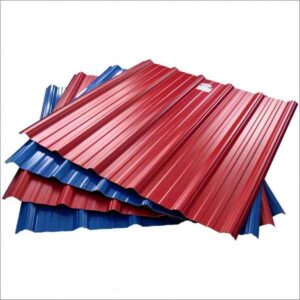
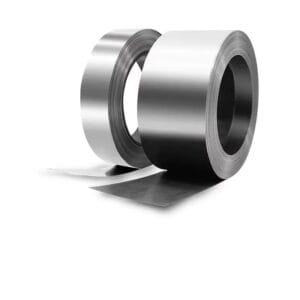
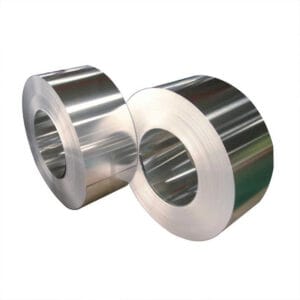
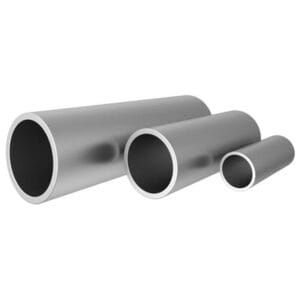
Introduction of 4043 Aluminum Sheet
The 4043 aluminum sheet is part of the 4000 series aluminum alloys and contains a silicon content of approximately 4.5% to 6.0%. This alloy is known for its lightweight nature, stable performance, and reliable corrosion resistance.
With a relatively low melting point, 4043 aluminum offers excellent weldability and strong resistance to hot cracking during welding. These properties make it a preferred choice for welding and brazing applications, especially as a filler material for aluminum alloys.
4043 aluminum alloy sheets are widely used in welding and joining processes across various industries, where smooth weld seams,excellent fluidity, and consistent joint quality are required.

Advantages of 4043 Aluminum Sheet
- Excellent Welding Performance
The aluminum–silicon composition provides high fluidity in the molten state. This allows the material to flow smoothly into joints and gaps during welding, reducing the risk of weld cracking and improving joint integrity.
- Good Corrosion Resistance
With silicon as a key alloying element, 4043 aluminum shows stable chemical properties. It resists reactions with many other elements, especially in chemical or humid environments, helping to extend its service life.
- Moderate Strength
Compared with 5000 series aluminum alloys, 4043 aluminum sheet offers medium strength. This balance makes it suitable for applications where high weldability is more important than maximum mechanical strength.
- Low Melting Point
The melting range of approximately 574–632°C makes 4043 aluminum ideal for common welding processes such as TIG and MIG, ensuring smooth melting and consistent weld quality.
4043 Aluminum Sheet Specifications
| Alloy Grade |
4043 |
| Temper |
O / H14 / H112 / F |
| Thickness |
0.21 – 50 mm (Custom thickness up to 200 mm available) |
| Width |
800 – 1600 mm |
| Length |
2000 mm / 2440 mm / 3000 mm & Cut-to-Length |
| Surface Treatment |
Mill Finish |
| Standards |
ASTM B209 ,EN 485 ,ISO 18273 (AlSi5), UNS A94043, AWS A5.10 |
| Certification |
ISO 9001 |
| Origin |
China foshan |
| MOQ |
2 Tons |
4043 Aluminum Alloy Composition
| Silicon (Si) |
4.5 – 6.0 |
| Iron (Fe) |
≤ 0.80 |
| Copper (Cu) |
≤ 0.30 |
| Manganese (Mn) |
≤ 0.05 |
| Magnesium (Mg) |
≤ 0.05 |
| Zinc (Zn) |
≤ 0.10 |
| Titanium (Ti) |
≤ 0.20 |
| Other Elements (Each) |
≤ 0.05 |
| Other Elements (Total) |
≤ 0.15 |
| Aluminum (Al) |
Balance |
Mechanical properties of 4043 Aluminum Sheet
| Temper |
Tensile Strength (MPa) |
Yield Strength (MPa) |
Elongation (%) |
| O |
110 – 145 |
≥ 55 |
≥ 18 |
| H14 |
130 – 170 |
≥ 90 |
≥ 8 |
| H112 |
120 – 160 |
≥ 70 |
≥ 12 |
| F |
~120 |
~55 |
~15 |
Physical Properties of 4043 Aluminum Sheet
| Density |
2.69 g/cm³ |
| Elastic Modulus |
~ 70 GPa |
| Melting Range |
574 – 632 °C |
| Thermal Conductivity |
~ 150 – 170 W/m·K |
| Electrical Conductivity |
~ 40 – 42 % IACS |
Applications of 4043 Aluminum Sheet
4043 aluminum sheet is widely used in welding-related fields due to its excellent weldability, stable performance, and strong corrosion resistance. It delivers smooth welds and reliable joint quality, making it suitable for both industrial and precision applications.
- Automotive Manufacturing
Thanks to its lightweight characteristics and good welding behavior, 4043 aluminum alloy is commonly used in automotive body assembly and sheet metal fabrication, helping reduce overall vehicle weight while maintaining structural integrity.
- Aerospace Industry
In aerospace applications, 4043 aluminum sheet is used as a welding filler material for aluminum alloy components. It is suitable for rocket skin welding and aircraft fuselage structures, where consistent weld quality is critical.
- Industrial and Construction Applications
This alloy is widely applied in the welding of aluminum frameworks, decorative joint panels, and corrosion-resistant surfaces used in industrial equipment and building structures.
- Sheet Metal and Thermal Applications
4043 aluminum sheet is also used in heat exchangers, heat sinks, electronic enclosures, and other sheet metal products that require clean welds, good thermal performance, and long-term reliability.