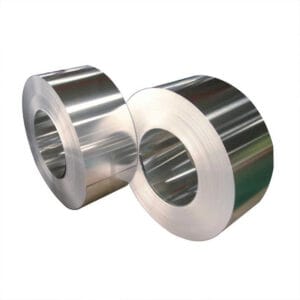
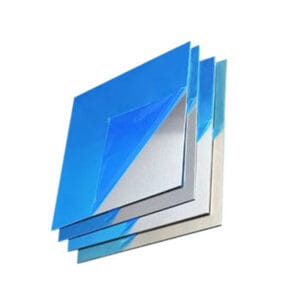
1060 Aluminum Sheet Overview
What Is 1060 Aluminum Sheet?
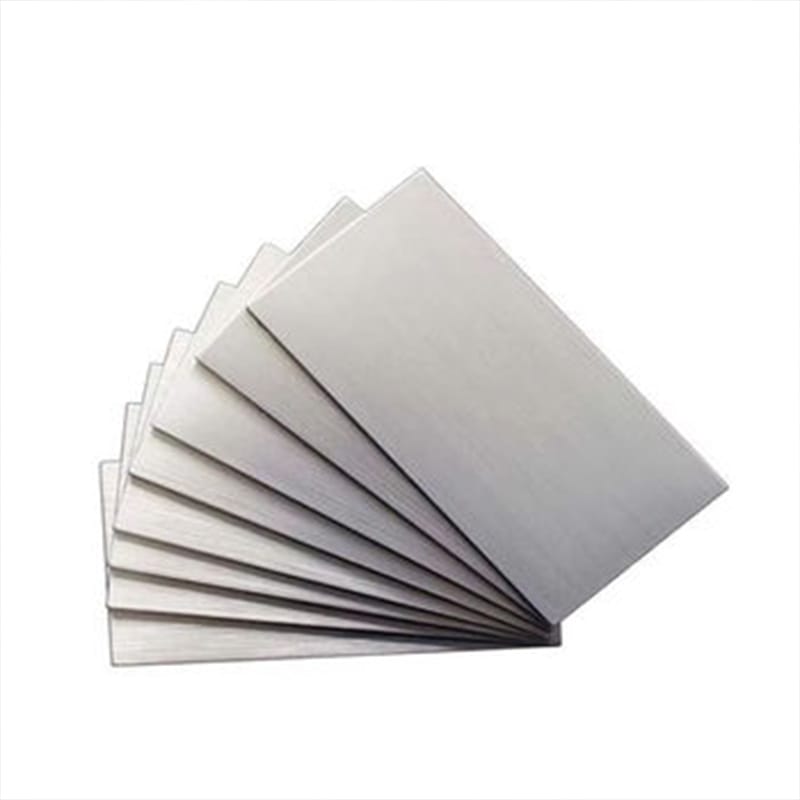
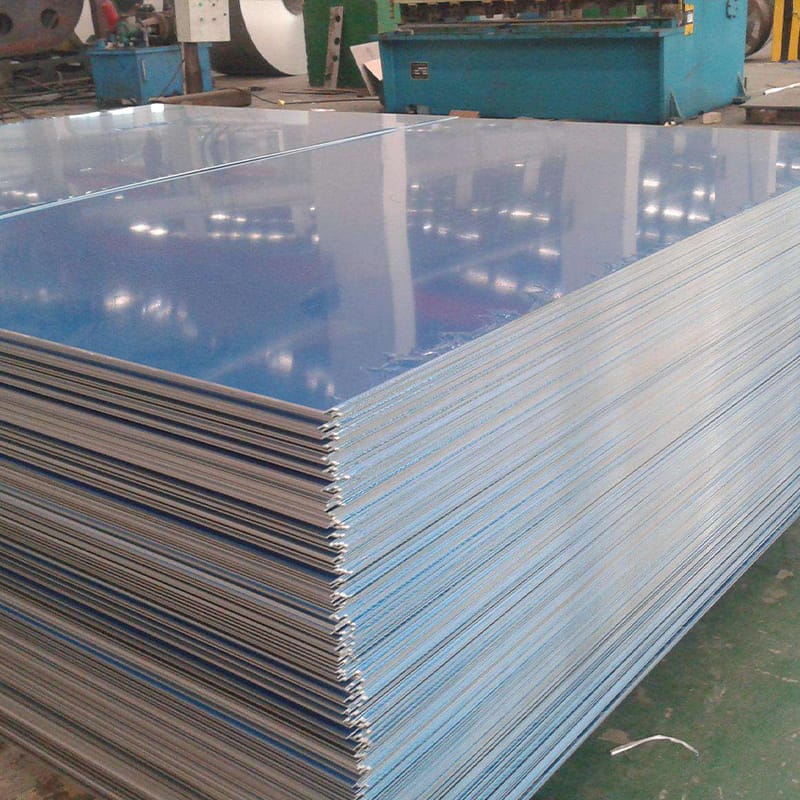
1060 is a commercially pure, non-heat-treatable aluminum grade selected for formability, corrosion resistance, electrical and thermal conductivity, and compatibility with common finishing processes. Compared with structural aluminum alloys, it has lower strength. It is best suited to formed, conductive, heat-transfer, reflective and non-load-bearing parts where high structural strength is not the main requirement.
The correct temper matters. Annealed material is generally preferred for deeper forming, while work-hardened tempers provide progressively higher hardness and lower formability. Send your drawing, forming method and acceptance standard so the material condition can be reviewed before quotation.
 Choose 1060 when forming performance, corrosion resistance, conductivity or surface finish is more important than structural strength. For load-bearing parts, pressure equipment, marine structures or safety-critical applications, the alloy and temper must be approved by the responsible engineer.
1060 Aluminum Sheet Specifications
| Alloy / Grade |
1060 commercially pure aluminum |
| Product Form |
flat shape |
| Temper |
O, H12, H14, H16, H18, H22 and H24 |
| Thickness |
0.15–6 mm; |
| Width |
600–2600 mm; |
| Length |
400–16000 mm; |
| Surface Requirement |
Mill finish or a specified appearance/protection requirement, reviewed before quotation |
| Inspection Documents |
State the required certificate or inspection report in the RFQ |
| Packaging |
Selected for sheet size, surface sensitivity, shipment method and unloading conditions |
Need a size outside the table? Send the required alloy, temper, dimensions, quantity and standard for a feasibility review.
What are the advantages of 1060 aluminum sheet?
1.Corrosion Resistance for General Industrial Use
Aluminum naturally develops a thin, protective oxide film. This gives 1060 good resistance in many general atmospheric and industrial environments. Suitability still depends on the chemical medium, temperature, surface condition and required service life.
2.Formability Matched to the Temper
1060 is commonly selected for bending, stamping, drawing and other forming operations. Softer tempers generally allow more severe forming, while harder tempers provide greater stiffness with less forming margin. Final bend radius, draw depth and springback should be verified with the actual thickness and process.
3.Electrical and Thermal Performance
The high aluminum content makes 1060 a candidate for conductive and heat-transfer components. If conductivity is a controlled characteristic, specify the required test method and acceptance value in the RFQ. Do not approve the material from a generic grade description alone.
4.Weldability and Fabrication
1060 is generally compatible with common aluminum welding and fabrication methods. The welding process, filler selection, joint design and post-weld acceptance criteria remain the buyer’s engineering responsibility. Include the relevant manufacturing notes with the drawing for technical review.
5.Surface Options for Functional or Visible Parts
Mill finish material can be reviewed for general fabrication. Where a polished, brushed, anodized, embossed, coated or film-protected surface is required, specify the color, gloss, texture direction, coating thickness, film type and acceptable surface defects before quotation.
6.Clear Strength Boundary
1060 is not a high-strength structural alloy and cannot be strengthened by heat treatment. Tensile strength, yield strength, elongation and hardness vary by temper, thickness, standard and test direction. Use values from the accepted material standard or order-specific inspection document rather than a single generic property range.
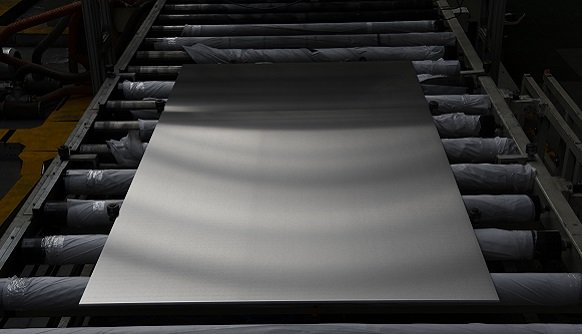
1060 Aluminum Sheet Grade & Application Selection
1060-O Aluminum Sheet
The annealed condition is generally selected when a part requires more demanding bending or drawing and strength is secondary. Provide the forming process, minimum bend radius and drawing depth for review.
1060-H12 / H22 Aluminum Sheet
These tempers provide a light level of strain hardening through different processing routes. They may be considered when a part needs a balance between formability and stiffness. Confirm the governing material standard rather than treating the two designations as automatically interchangeable.
1060-H14 / H24 Aluminum Sheet
These options are commonly considered for general sheet-metal parts, panels, housings and signage where moderate hardness and controlled flatness are required. Confirm bend direction, surface appearance and dimensional tolerance in the RFQ.
1060-H16 / H18 Aluminum Sheet
Higher work-hardening levels provide more stiffness but reduce forming margin. These tempers are better suited to simpler forming or flat components. Prototype validation is recommended for tight bends or appearance-critical parts.
Availability note: Temper-to-size combinations are confirmed against production capability and the governing order standard.
Applications of 1060 Aluminum Sheet
1.Electrical Components
Busbar-related parts, conductor components, transformer or capacitor parts and electrical enclosures may use 1060 where conductivity, formability and corrosion resistance match the design. Required conductivity and electrical safety criteria must be specified by the buyer.
2.Heat-Transfer Components
Possible uses include heat-spreading plates, fins, HVAC components and other thermal parts. Thermal performance depends on the complete design, contact resistance, thickness and surface condition.
4.Stamped and Formed Parts
1060 can be considered for drawn shells, covers, caps, housings and general stamped components. Temper selection should be based on forming severity and the required final stiffness.
5.Signage, Lighting and Decorative Parts
The alloy can be used for signs, nameplates, reflectors and decorative panels when the required surface finish and outdoor exposure have been confirmed. Appearance-critical orders should use an approved sample or defined visual acceptance standard.
6.Chemical, Ventilation and General Equipment
Tanks, ducts, covers and non-load-bearing equipment parts may use 1060 in compatible environments. Chemical compatibility, joining method, pressure, temperature and code requirements must be reviewed by the project engineer.
7.Packaging and Consumer Components
Selected caps, containers and formed components may use 1060. Food, pharmaceutical or cosmetic contact compliance is not implied by the alloy name and requires the applicable regulatory and cleanliness documentation.
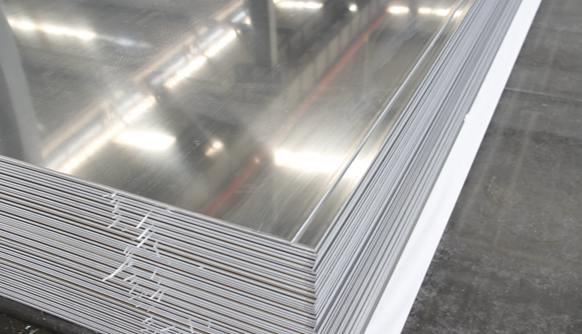
Processing Requirements & Drawing Review
Custom requirements are reviewed against the alloy, temper, size, tolerance, surface specification and order quantity. Include any cutting, slitting, leveling, edge, protective film or appearance requirements in the RFQ. For processed parts, provide the drawing and identify all controlled dimensions, tolerances and inspection criteria.
The technical review should confirm material availability, processing feasibility, inspection documents, packing and delivery requirements before a quotation is accepted.
Quality Standards & Inspection Documents
The governing material standard and edition should be stated on the purchase order. Where one standard covers only part of the requirement, additional product, tolerance or test standards may be needed. State any required chemical, mechanical, dimensional, surface or third-party inspection documents in the RFQ so their scope and availability can be confirmed before order acceptance.
For traceability-sensitive orders, identify the required heat or batch reference, labeling format and record requirements before quotation.
Packaging & Delivery Planning
Packaging should be selected according to sheet size, surface sensitivity, shipment method and unloading conditions. Specify any protective film, interleaving, moisture protection, pallet or wooden-case, edge protection, bundle-weight, labeling or destination compliance requirements.
Lead time depends on the confirmed material condition, dimensions, quantity, processing, inspection and packing. The quotation should distinguish stock, standard production and processed orders where applicable.
1060 Aluminum Selection Guide
1060 vs Other Commercially Pure Aluminum Grades
1060, 1050, 1070 and 1100 are not interchangeable solely because they belong to the 1xxx family. The correct grade depends on the governing standard, minimum aluminum content, conductivity, forming requirement, surface specification and local availability. Send the buyer’s material specification instead of requesting a substitution by name alone.
1060 vs 3003
1060 is generally selected when purity-related conductivity, formability or corrosion performance is the priority. 3003 is an aluminum-manganese alloy and is usually considered when higher strength is needed while retaining good formability. Final selection must follow the drawing and engineering requirements.
Sheet or Plate?
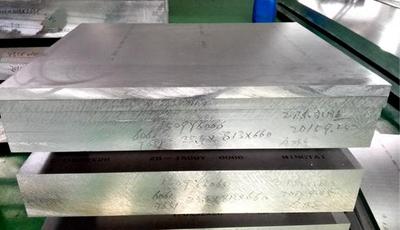
The commercial use of sheet and plate varies by market and standard. State the exact thickness and governing standard in the RFQ so the product form, tolerance and test requirements are unambiguous.
FAQ
1.What information do you need to quote 1060 aluminum sheet?
Please provide alloy, temper, thickness, width, length, quantity, surface finish, tolerance, applicable standard, inspection document, delivery destination and required date. Add a drawing for cut parts or controlled features.
2.Which 1060 temper should I choose for forming?
O temper is generally preferred for more demanding forming, while H tempers provide progressively greater hardness with less forming margin. The best choice depends on thickness, bend radius, draw depth and final stiffness. Send the forming details for review.
3.Can 1060 aluminum be heat treated for higher strength?
No. 1060 is a non-heat-treatable grade. Its strength is changed mainly through strain hardening and annealing. If a part requires significantly higher structural strength, another alloy may be more appropriate.
4.Can custom sizes be requested?
Submit the final dimensions, tolerances, edge condition, quantity and required material condition. Feasibility is confirmed against the temper-to-size combination and processing requirements before quotation.
5.Can I order to ASTM B209 or another standard?
State the required standard and edition, dimensions, temper, tolerances and certificate format in the RFQ. The applicable requirements and supply availability are confirmed during technical and commercial review.
6.Is a material test certificate available?
Include the required certificate and test results in the RFQ. Document scope, heat or batch traceability and delivery format should be confirmed before order acceptance.
7.What is the MOQ?
Minimum order quantity can vary between stock sheet, production material, cut-to-size parts and surface-finished products. Request a quotation for the exact temper, dimensions, finish and quantity.
8.How long does production take?
Lead time is confirmed after technical review of the material condition, dimensions, quantity, processing, inspection and packing requirements.
9.Can I request a sample?
Sample availability, size, preparation time and freight responsibility are confirmed for the specific material and application before dispatch.
10.Can 1060 be used for food-contact or pressure applications?
The alloy name alone does not establish regulatory or code compliance. Provide the applicable regulation, service medium, pressure, temperature, cleanliness requirement and required documents for review.
Request a Quote for 1060 Aluminum Sheet or Plate
Send your required temper, dimensions, quantity and application. Material availability, processing, inspection documents, packing and delivery requirements will be reviewed before quotation.
- Alloy and governing standard
- Temper
- Thickness × width × length
- Quantity or annual demand
- Surface and protective-film requirements
- Dimensional and flatness tolerances
- Processing requirements or drawing
- Required inspection documents
- Delivery destination and required date
For a faster quotation, attach the drawing or material specification and identify every controlled characteristic.